# About
### Reborn: Pioneering the Open Ecosystem for AGI Robots.
**Embodied AI** is the foundation of artificial general intelligence (AGI) for robots—combining perception, reasoning, and action to enable machines to operate in the physical world. Unlike traditional AI, which is limited to text or image processing, embodied AI powers real-world interactions through robotic or simulated bodies, making it essential for the development of general-purpose humanoid robots.
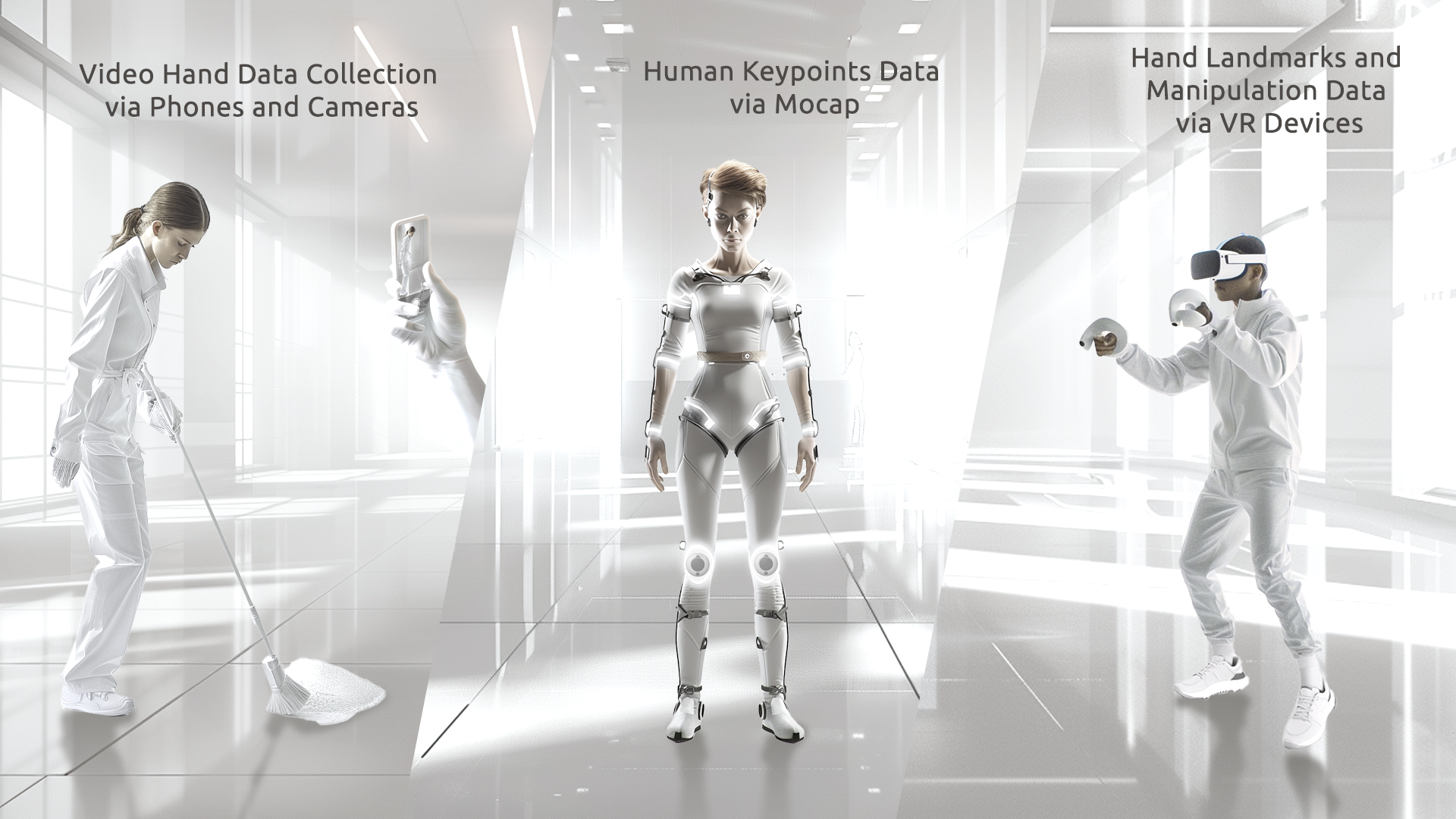
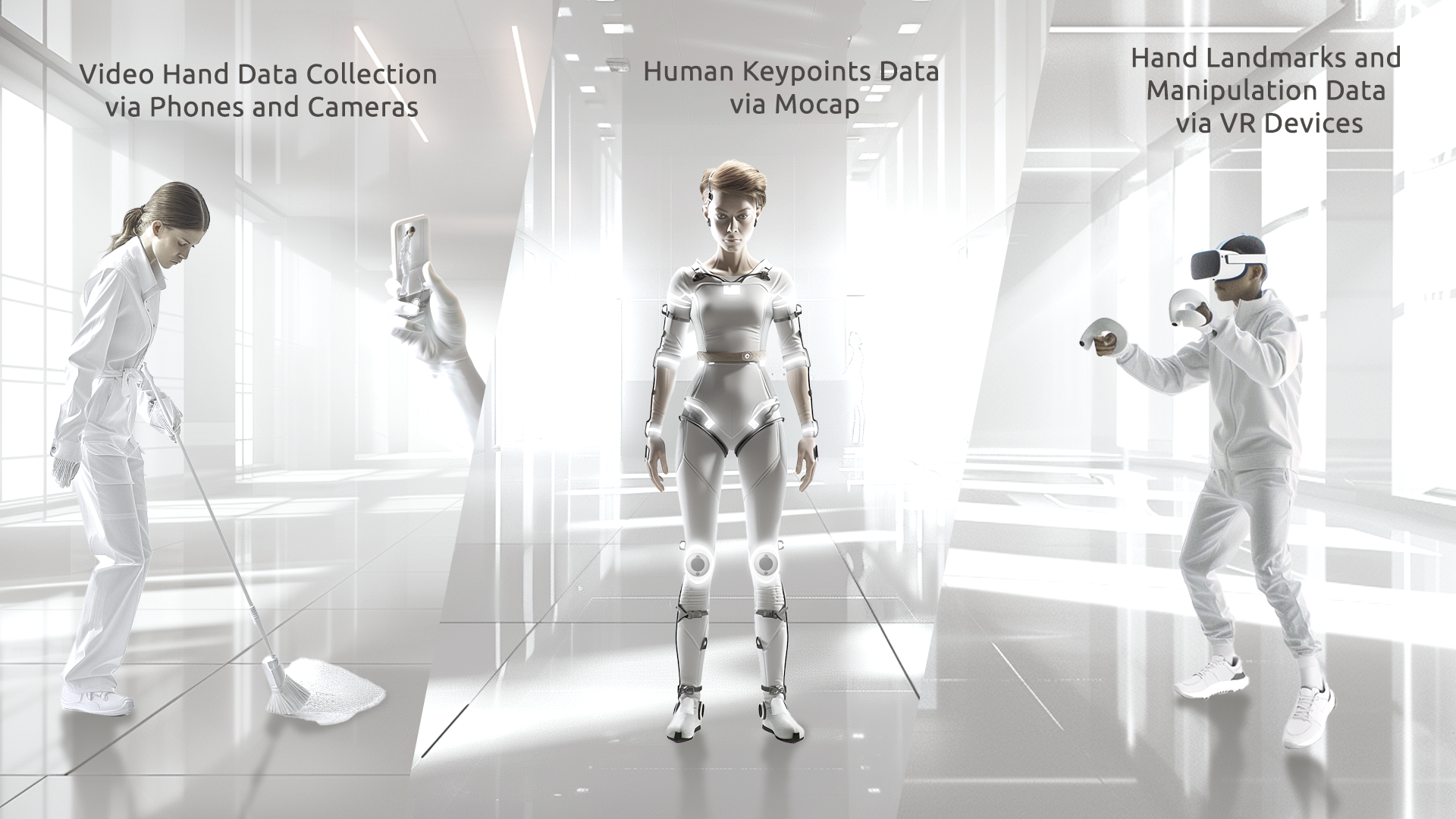
**Reborn Network** is building the decentralized protocol for this future: **a foundational layer for the open ecosystem of AGI robots.** We aim to transform how robots are trained—not in silos, but by tapping into the collective intelligence of humanity. By enabling the global community to contribute human motion data from VR/AR gaming, motion capture using our affordable Rebocap™ hardware, and real-world task videos via smartphones, Reborn turns everyday activities into data assets for training robotic foundation models (RFMs).
Reborn is ensuring that the future of robotics is shaped **by the People, for the People**.
### The "Why"
The path to building truly general-purpose humanoid robots is constrained by three deeply interconnected and persistent bottlenecks: **the data gap**, stemming from a lack of large-scale, diverse, and high-quality motion data; **the model gap**, where existing AI models remain overfitted and narrowly applicable due to insufficient training signals; and **the embodiment gap**, driven by the wide variation in robot hardware designs that require platform-specific tuning and make scalable deployment of universal intelligence extremely challenging.
#### **The Data Scarcity Bottleneck**
The extraordinary capabilities of modern large models in language and vision stem from their training on vast datasets, freely sourced from decades of internet content contributed by billions of users and communities. Language models, for instance, are trained on **15 trillion tokens**, while vision models leverage **6 billion images** to achieve remarkable performance. In stark contrast, robotics development is severely constrained by data scarcity. Scientists and robotics leaders, such as Tesla, are striving to build the next generation of general-purpose humanoid robots (AGI Humanoid Robots). These robots require the training of embodied AI models, which depend on massive amounts of human motion data. Currently, the available datasets are severely limited:
* **Real-World Lab Data**: Mostly collected by research institutions at an exorbitant cost, with the largest real-world dataset containing only 2.4 million samples.
* **Simulator Data**: Often generated in virtual environments, easily scaled up yet failing to fully align with the complexities and physical laws of the real world.
Robotics data scaling laws highlight that achieving truly general-purpose robots requires scaling both the quantity and diversity of data. Without this, the vision of a universal humanoid robot remains unattainable.
#### The Model Generalization Gap
Even with recent advances in imitation learning, reinforcement learning, and vision-language-action (VLA) models, **current embodied AI models remain narrow, brittle, and overfitted**. Due to the lack of large-scale, diverse, and multimodal training data, most models are only effective in tightly constrained environments or with specific hardware.\
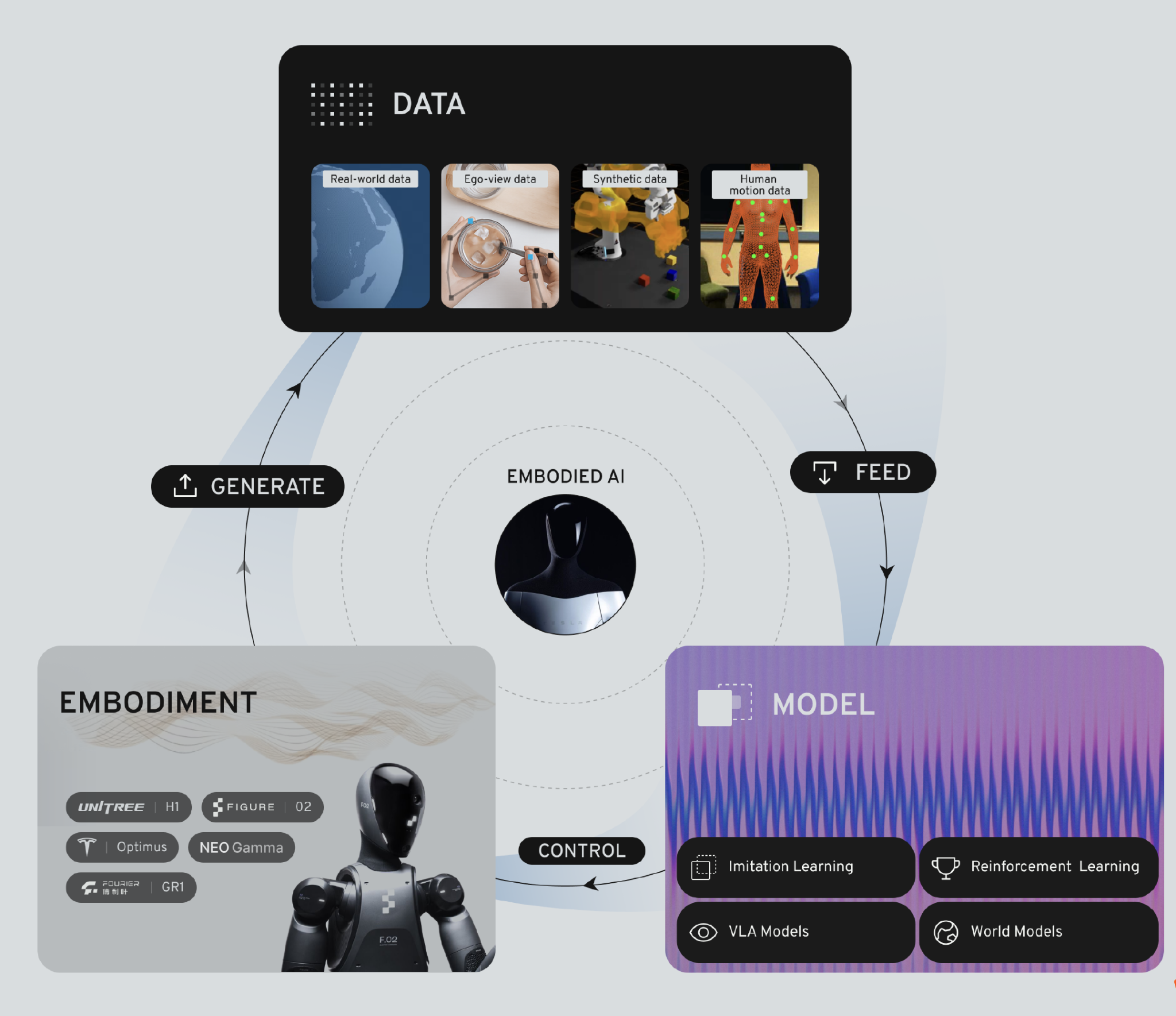
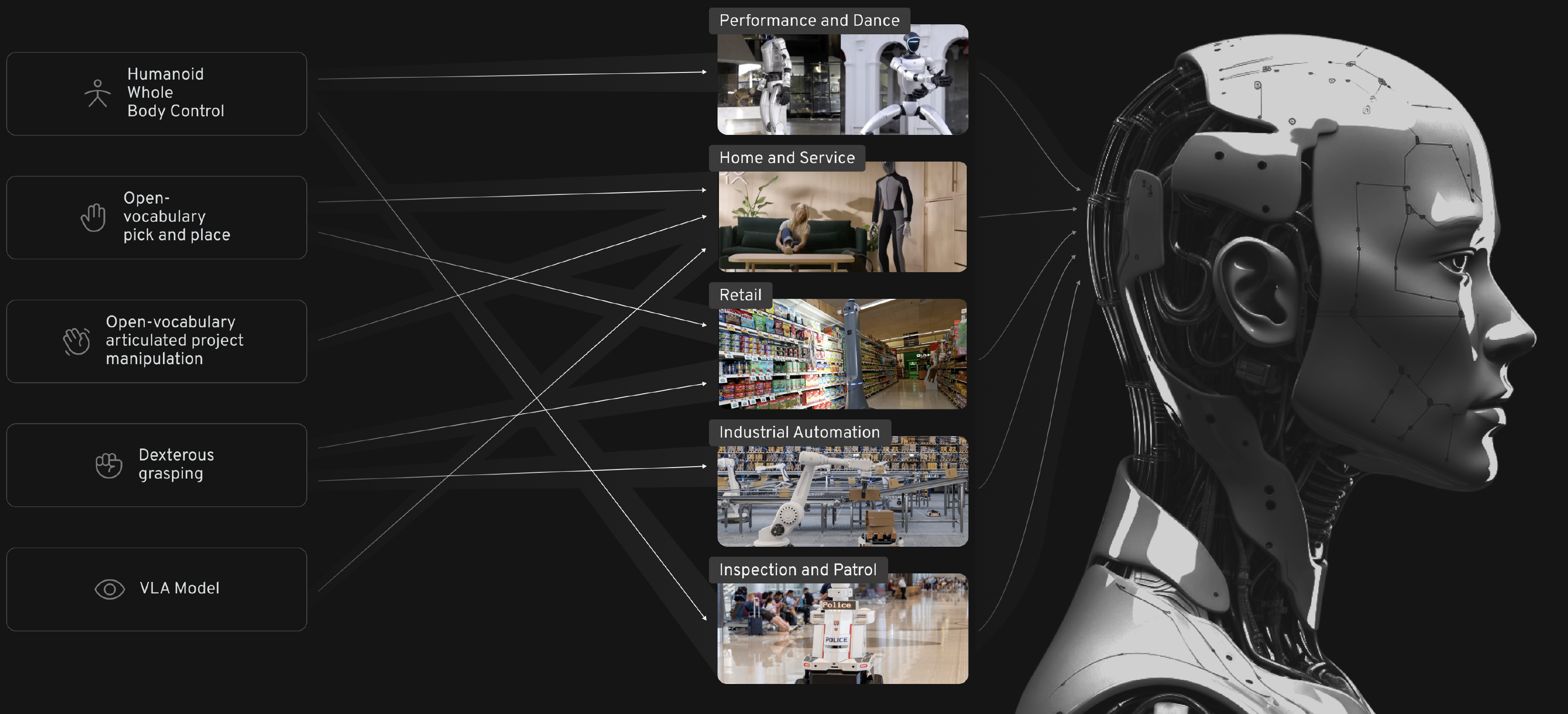
As visualized in the diagram, while data is meant to *feed* models, today's model pipelines suffer from insufficient generalization capacity—limiting their ability to scale across different tasks, scenes, or embodiments. Without high-volume, heterogeneous training data that spans ego-view, real-world, synthetic, and motion domains, these models **fail to capture the full complexity of human-like intelligence** required by AGI robots.
#### The Embodiment Diversity Gap
The final barrier lies in the hardware reality of robots. Each robot platform—be it Unitree H1, Figure 02, or Tesla Optimus—comes with **distinct morphology, payloads, kinematics, and control limitations**. As shown in the “Embodiment” module of the diagram, even if the intelligence layer (models) is ready, deploying it consistently across different embodiments is technically and economically prohibitive.
Most robotics companies today are forced to collect and train on their own data in-house, due to incompatibility with shared models or lack of relevant datasets. This creates high costs, fragmented efforts, and a lack of knowledge transfer between platforms. The embodiment gap, therefore, is not just about mechanical diversity—but about the **absence of a unified interface between intelligence and physical form**.
#### **The Embodied AI Market Opportunity**
The market for intelligent robots is projected to exceed $500B in the coming decades, transforming sectors from healthcare and logistics to personal services and eldercare. Yet, over 30% of R\&D budgets for leading robotics firms are still spent on data collection and annotation, highlighting the urgent need for scalable, cost-effective solutions.
To address the three key bottlenecks, Reborn introduces a new paradigm—where anyone can contribute, own, and benefit from the robotic intelligence of the future.
### The "How"
Reborn Network decentralizes the pipeline for training various **Robotic Foundation Models (RFMs)** by turning everyday human motion into valuable training signals. Our four key data engines include:
* **Embodied Vlog**: Real-world first-person videos of daily tasks and fine-grained manipulation.
* **Mocap Life**: High-fidelity motion data collected using low-cost **Rebocap™** wearable devices.
* **VR Gaming**: Task-driven interaction data from immersive virtual environments.
* **Roboverse Simulation**: A high-fidelity sim engine aligned with physical laws, used to generate synthetic training data for embodied control, exploration, and vision-language reasoning.
These multimodal data streams are curated and validated via community consensus, and used to train **Robotic Foundation Models** that generalize across embodiments and tasks.
Alongside the data layer, Reborn maintains a growing **Versatile Physical AI Model Zoo**, co-developed with leading robotic companies such as **Unitree**. This model zoo includes three main streams:
* **OpenVLA** models for vision-language-action reasoning,
* **Full-body control policies** for humanoids,
* **Dexterous manipulation agents**, and more.
These models are **trained using Reborn data**, optimized for deployment on real-world robots, and accessible through the Reborn platform, forming the building blocks of the future **AGI robot stack**.
Contributors to this ecosystem are rewarded in **Reborn tokens**, gaining ownership in the robotic intelligence they help create. With **200,000+ monthly active users**, **8,000+ Rebocap™ units sold**, and a growing model and data network, Reborn is laying the foundation for a future where robotics is **open, decentralized, and community-owned**.
# Mission
### Our Mission: Democratizing the Future of Robotics
Reborn’s mission is to **build the decentralized protocol powering the open ecosystem for AGI robots**—where **every human becomes a co-creator and co-owner** of robotic intelligence.
By transforming human motion into digital assets, Reborn enables people across the globe to directly contribute to and benefit from the training of **embodied AI**. Through our platform, the physical knowledge of billions—captured via video, motion capture, and VR—is turned into the foundation of general-purpose robot intelligence.
> AGI Robot Of the People, By the People, For the People
### 🌱 The Genesis of Reborn AGI Robots
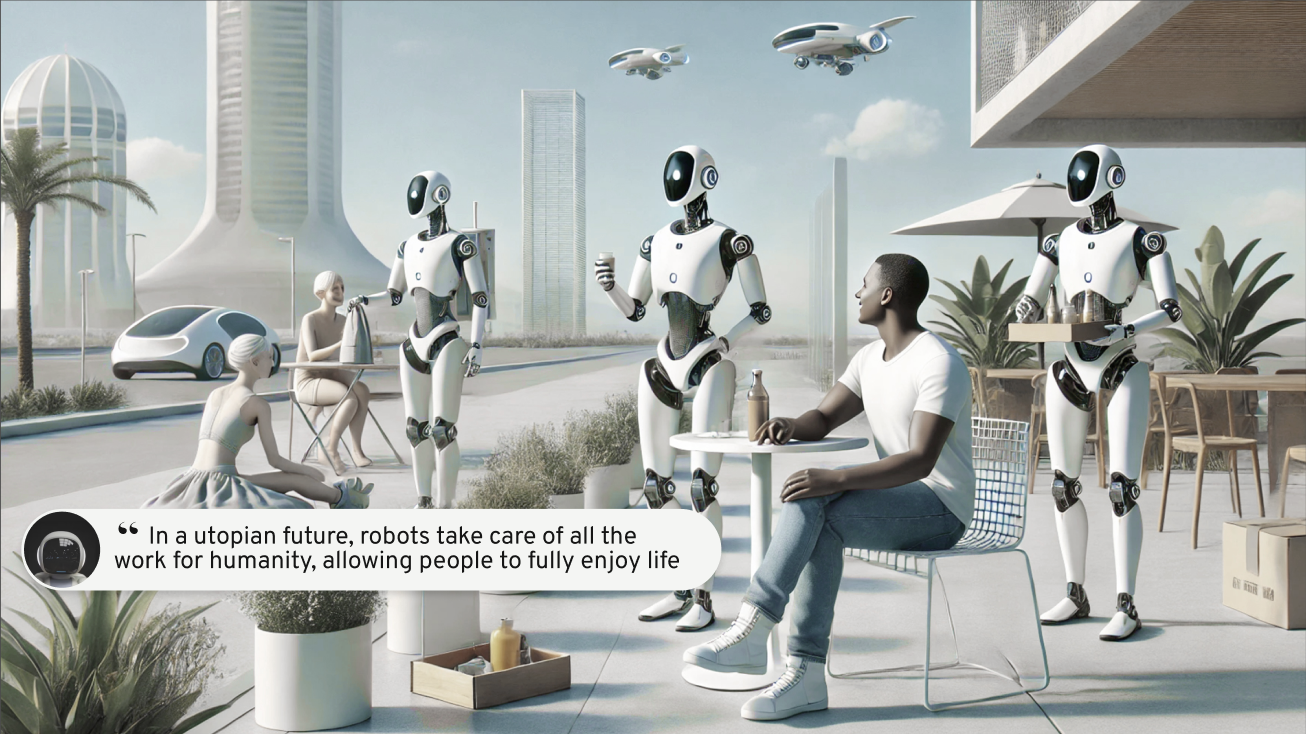
We stand at the dawn of a robotics revolution. A future where **general-purpose humanoid robots**—trained on the diverse movements, skills, and intentions of humans—augment labor, care for the elderly, assist in education, and open new frontiers of productivity and creativity.
But this future must not be centralized or proprietary. It must be open, shared, and built **with the collective intelligence of humanity**.
Reborn is more than just infrastructure—**it’s a movement** to ensure that everyone can:
* **Contribute** motion and interaction data to shape robotic behavior,
* **Own** a piece of the intelligence they help create,
* **Earn** rewards in the form of Reborn points and future robot access,
* **Participate** in the evolution of the robotic economy.
By uploading your data today, you are helping to build **tomorrow’s robotic workforce**—an open-source, community-owned layer of embodied AI that is:
* **Trained on real human motion** from all corners of the world,
* **Governed by permissionless collaboration**, not corporate gatekeeping,
* **Designed to return value to contributors**, not just consumers.
Together, we are laying the foundation for the **world’s first community-owned AGI robot stack**—and ensuring that the benefits of robotics flow **back to the people** who make it possible.
### Special Recognition for Reborn Community Contributors
In addition to receiving points and economic rewards, every contributor whose data successfully trains a robot will have their name included in the **source code** comments at the beginning of the robot’s codebase. This unique acknowledgment marks their invaluable contribution to the development of advanced robotics.
Imagine a future where humanoid robots are transforming lives globally, and your name is etched as part of their origins—a timeless symbol of innovation and collaboration. By offering this special recognition, Reborn Network celebrates the critical role of every contributor, bridging the gap between personal effort and collective achievement in building a smarter world with AGI robots.
{% hint style="info" %}
Reborn Partnership with Leading Robotics Companies, e.g., Unitree, Booster Robotics, EngineAI, Galbot
{% endhint %}
***
*The next revolution in robotics starts with a single movement. Make yours count.*
# Robotic Foundation Models
How data helps future humanoid robots reborn
### What are Robotic Foundation Models?
**Robotic Foundation Models (RFMs)** \[1] represent a new paradigm in embodied AI—models designed to **generalize across tasks, sensor modalities, and robot embodiments**. Similar to how foundation models like GPT have transformed natural language understanding, RFMs aim to serve as a universal intelligence layer for robots, enabling them to perceive, plan, and act across diverse real-world environments.
RFMs are essential to the future of **AGI robots**—humanoid agents that can adapt to new situations, assist in dynamic tasks, and collaborate fluidly with humans. However, building such models requires an **unprecedented scale and diversity of data**, as well as deployment infrastructure to continuously collect real-world feedback.
### **What Topics RFMs Study?**
Robotic Foundation Models (RFMs) aim to generalize across a wide range of embodied intelligence tasks. At Reborn, we organize these topics into several key research and application domains, each corresponding to a family of models developed or co-developed within our ecosystem:
* **Vision-Language-Action (VLA)**\
Models that link visual perception, natural language instructions, and motor commands for high-level task planning.\
*Example: OpenVLA \[3] – enabling robots to execute commands like “pick up the red mug and place it on the table.”*
* **Whole-body Locomotion and Coordination**\
Models that control full-body movements for walking, standing, navigating, and balancing across terrains.\
*Example: Imitation learning framework \[4] based on an adversarial motion prior*
* **Dexterous Grasping and In-hand Manipulation**\
Fine motor control for object handling, including finger-level adaptation and object reorientation.
* **Embodied Task Planning and Execution**\
End-to-end models for multi-step task planning in 3D environments, integrating memory and perception.\
*Example: Saycan \[5] – Grounding language in robotic affordances.*
### Key Differences Between RFM and Traditional Robotics
1. **Data Scale and Diversity**:
* *Traditional Robotics*: Models are trained on small, task-specific datasets, limiting their adaptability.
* *RFMs*: Leverage large-scale, internet-derived datasets, enabling superior generalization and problem-solving beyond the training scope.
2. **Learning Paradigms**:
* *Traditional Robotics*: Focuses on narrowly defined models tailored to specific tasks, often requiring manual tuning.
* *RFMs*: Employ foundation models pre-trained on extensive, multimodal data, demonstrating emergent abilities like zero-shot learning.
3. **Adaptability and Generalization**:
* *Traditional Robotics*: Models typically perform well only within the boundaries of their training data.
* *RFMs*: Exhibit remarkable adaptability, enabling their use across a variety of tasks with minimal retraining.
4. **Integration of Multimodal Data**:
* *Traditional Robotics*: Relies on specific types of data processed in isolation.
* *RFMs*: Combine multimodal inputs—such as vision, language, and sensory data—into unified representations, enhancing understanding and interaction.
5. **Emergent Capabilities**:
* *Traditional Robotics*: Limited to predefined tasks, with challenges in addressing unforeseen scenarios.
* *RFMs*: Capable of tackling novel problems using zero-shot learning and other emergent abilities.
### Data Scaling Law in Robot Learning
A recent study \[2] investigates how the quantity and diversity of training data affect a robot's ability to generalize in robotic manipulation tasks. The authors conducted an extensive empirical study, collecting over 40,000 demonstrations and performing more than 15,000 real-world robot rollouts. Their key findings include:
1. **Power-Law Relationship of Scale and Performance**: The generalization performance of robotic policies improves following a power-law trend as the number of training environments and objects increases. This indicates that doubling the diversity of training data leads to consistent, albeit diminishing, performance gains.
2. **Importance of Diversity**: The diversity of training environments and objects is very crucial. The RFM performance increases with the sheer number of demonstrations per environment or object. This law further results in the difficulty of data collection in diverse environments.
3. **Efficient Data Collection Strategy**: Gathering diverse experiences across various settings helped train policies achieving approximately 90% success rates in novel environments with unseen objects.
These findings suggest that a new scaling law is built in RFM, i.e., the scale and diversity of data and the ability of the RFM. To build a stronger RFM, data is necessary.
### **What Data Is Desired for the Robot?**
Data forms the backbone of RFMs, determining their capacity for generalization and adaptability. Several types of data are critical for building effective RFMs:
1. **Visual Data**:
* Essential for object detection, scene understanding, and spatial reasoning.
* Includes 2D images, videos, and 3D data like point clouds and volumetric representations.
2. **Natural Language Data**:
* Enables RFMs to interpret and execute high-level commands using natural language.
* Includes annotated datasets of human instructions, narratives, and dialogues.
3. **Human Demonstration Data**:
* Enhances models' ability to replicate human actions via imitation learning.
* Combines visual and linguistic annotations to provide contextually rich demonstrations
4. **Synthetic and Simulated Data**:
* Bridges the gap in real-world data availability by augmenting datasets with realistic simulations.
* Useful for tasks like navigation and planning in dynamic or hazardous environments.
***
### References
\[1] Roya Firoozi et al., "Foundation Models in Robotics: Applications, Challenges, and the Future," [arXiv:2312.07843](https://arxiv.org/abs/2312.07843)
\[2] Lin, Fanqi, et al. "Data Scaling Laws in Imitation Learning for Robotic Manipulation." arXiv:2410.18647.
\[3] Kim, Moo Jin, et al. "OpenVLA: An Open-Source Vision-Language-Action Model." *arXiv preprint arXiv:2406.09246* (2024).
\[4] Zhang, Qiang, et al. "Whole-body humanoid robot locomotion with human reference." *2024 IEEE/RSJ International Conference on Intelligent Robots and Systems (IROS)*. IEEE, 2024.
\[5] Brohan, Anthony, et al. "Do as i can, not as i say: Grounding language in robotic affordances." *Conference on robot learning*. PMLR, 2023.*.*
# Reborn Flywheel for RFM
### Why Robotics Can’t Leap to AGI Directly
Despite rapid progress in hardware, LLM and simulation, today's robotics models remain **narrow, overfit, and fragmented**. Each company develops isolated solutions for specific tasks or hardware, and the field lacks:
* Sufficient high-quality, real-world data
* Scalable training pipelines
* A shared model layer that generalizes across settings
Without solving these bottlenecks, the field cannot leap directly into training general-purpose AGI robots.
### The Reborn Roadmap to AGI Robot
Reborn’s pathway toward Robotic Foundation Models (RFMs) is rooted in a **bottom-up, data-centric methodology**. Instead of attempting to train a general-purpose AGI model from the outset, Reborn adopts a **progressive, scalable strategy** that begins with community participation and culminates in high-performance vertical-domain applications.
**1. Building Data Foundation with Reborn Data Collection Framework**
The process begins with large-scale human participation. Through **Rebocap™ motion capture**, **VR interaction**, and **first-person video recording via smartphones**, Reborn mobilizes users worldwide to contribute **multimodal data**. This grassroots approach ensures an **unmatched level of diversity, realism, and contextual variety**, setting the foundation for generalizable embodied intelligence.
**2. Training Core Embodied Control Models**
With this data, Reborn first trains **general-purpose control and perception models**, focusing on:
* Human locomotion and full-body pose estimation
* Hand-object interaction and fine manipulation
* Basic task decomposition and sequential motor planning
These models form the **core building blocks of embodied intelligence**—modular capabilities that can be adapted across robot types and environments.
**3. Co-building Vertical Domain Applications**
Once foundational skills are established, Reborn collaborates with **leading humanoid robot manufacturers** such as **Unitree** and **Booster Robotics** to jointly develop **vertical-specific application models**. These include:
* Domestic assistance (navigation + grasping)
* Industrial collaboration (human-robot coordination)
* Interactive education or service robots
Reborn provides the algorithmic and data-driven model architecture, while partners contribute **hardware platforms, deployment environments, and real-world feedback**—accelerating the integration of AI into functional, market-ready robots.
**4. Deployment-Driven Iteration**
As these models are deployed in physical and virtual environments, they generate **real-time interaction data and behavioral edge cases**, which are fed back into the training cycle. This continuous feedback loop enhances both **model robustness and generalizability**, pushing the system closer to the long-term goal of autonomous, general-purpose RFMs.
This iterative pipeline forms the backbone of the **Reborn Flywheel**:
> **Global Data Collection → Core Model Training → Vertical Deployment → Real-World Feedback → Model Refinement → Toward RFMs**
Each cycle drives progress—expanding the model’s capabilities, enriching the data, and reducing the gap between specialized robotics and true embodied AGI.
# Reborn Data-to-Model Pipeline
### **From Human Behavior Data to Embodied Intelligence**
To train generalizable Robotic Foundation Models (RFMs), Reborn has developed a comprehensive **multimodal data collection framework** that captures human behavior across both physical and virtual contexts. This framework ensures that robots learn not only from idealized simulations but also from the rich variability of real-world interactions.
### What Data Reborn Collects and Provides
Reborn’s data engine integrates four complementary streams, each contributing a unique modality for embodied AI:
* **Reborn Mocap Life (Rebocap™)**\
Full-body human keypoint trajectories collected through wearable motion capture in natural settings or VR.\
*Use case: Humanoid locomotion models, full-body control, and imitation learning.*
* **Reborn VR Gaming**\
Immersive virtual reality tasks using devices like Apple Vision Pro, capturing hand landmarks, gestures, and object interactions.\
*Use case: Dexterous manipulation models, ergonomic HCI training, and collaborative tasks.*
* **Roboverse Simulation**\
A large-scale simulation platform used to generate synthetic data across diverse task settings, sensor views, and robot embodiments.\
*Use case: Pretraining large-scale control policies, sim-to-real adaptation, long-horizon planning.*
* **Reborn Embodied Vlog**\
Real-world, first-person perspective videos of fine-manipulation tasks (e.g., cooking, cleaning).\
*Use case: Vision-language-action models, task segmentation, and motion planning.*
These datasets are collected through intuitive and engaging user interfaces—such as games, home routines, and VR activities—ensuring natural behavior and scalable participation.
### Why Reborn Data is Precious
Reborn’s data is precious because it provides a **complete, high-resolution view of human behavior** through its end-to-end collection approach and achieves **unmatched scale and diversity** through its Web3-enabled ecosystem. This combination ensures that embodied AI systems trained on Reborn’s data are robust, adaptable, and capable of human-like performance in real-world scenarios. Reborn is setting a new standard for how data collection can drive progress in robotics and artificial intelligence.
1. **End-to-End Data Collection:**\
Reborn captures a complete record of human motion across daily life, from fine hand manipulations to full-body movements, in diverse real-world contexts. By integrating video, motion capture, and VR data, it provides a rich, multimodal dataset essential for training embodied AI systems to perform human-like tasks with precision and context awareness.
2. **Scale and Diversity Enabled by Web3:**\
Leveraging Web3 technology, Reborn ensures global participation and incentivizes contributors with tokenized rewards. This decentralized approach guarantees vast scale and diversity, conforming to the data scaling law (RFM) and enabling robust, generalizable AI models capable of adapting to varied environments and tasks.
### From Reborn Data to Reborn Models
Each data type serves as input to different model families:
| **Data Type** | **Model Focus** |
| ------------- | ----------------------------------------------------------------------------------------- |
| Embodied Vlog | Vision-language planning \[1], object detection, scene grounding |
| Mocap Life | Full-body control, humanoid locomotion, pose imitation |
| VR Gaming | Hand manipulation \[3, 4], fine motor control, human-robot interaction \[2], dex grasping |
| Roboverse Sim | Pretraining RL/VLA models, multi-task generalization, edge case synthesis |
These data streams are aligned with Reborn’s progressive strategy of incubating vertical models before converging toward RFMs. By covering both low-level control and high-level semantic reasoning, Reborn’s dataset enables **multi-layered learning**.
## Training RFM with Reborn Data: An Imitation Learning Example
### **Learning with Manipulation Data from VR and Video**
Imitation learning \[6] enables robots to acquire complex manipulation skills by learning from expert demonstrations. This process involves mapping observed states to corresponding actions, allowing robots to replicate desired behaviors. We use the manipulation task \[7] as an example.
**Problem Formulation**
Consider a robot operating within a Markov Decision Process (MDP) defined by the tuple $$(\mathcal{S}, \mathcal{A}, P, R)$$, where:
* $$\mathcal{S}$$ is the state space.
* $$\mathcal{A}$$ is the action space.
* $$P(s' \mid s, a)$$ represents the transition probability from state $$s$$ to state $$s'$$ given action $$a$$.
* $$R(s, a)$$ denotes the reward received after taking action $$a$$ in state $$s$$.
The goal is to learn a policy $$\pi: \mathcal{S} \rightarrow \mathcal{A}$$ that maps each state $$s \in \mathcal{S}$$ to an action $$a \in \mathcal{A}$$, effectively imitating the behavior demonstrated by an expert.
**Data Collection**
An expert provides a dataset $$\mathcal{D} = {(s\_i, a\_i)}\_{i=1}^N$$ of $$N$$ state-action pairs, where each pair consists of a state $$s\_i$$ and the corresponding action $$a\_i$$ taken by the expert.
**Policy Representation**
The policy $$\pi\_\theta$$ is parameterized by $$\theta$$, often using a neural network. The network takes a state $$s$$ as input and outputs a probability distribution over possible actions, $$\pi\_\theta(a \mid s)$$.
**Loss Function Design**
To train the policy, we minimize the discrepancy between the actions predicted by the policy and the expert's actions. A common approach is to use the cross-entropy loss:
$$
\mathcal{L}(\theta) = -\frac{1}{N} \sum\_{i=1}^N \log \pi\_\theta(a\_i \mid s\_i)
$$
This loss function penalizes the model when the predicted action probability $$\pi\_\theta(a\_i \mid s\_i)$$ is low for the expert's action $$a\_i$$.
**Training with SGD and mini-batch Gradient Descent**
The parameters $$\theta$$ are optimized using Stochastic Gradient Descent. The update rule for $$\theta$$ at iteration $$t$$ is:
$$
\theta\_{t+1} = \theta\_t - \eta \nabla\_\theta \mathcal{L}(\theta\_t)
$$
In practice, the dataset $$\mathcal{D}$$ is divided into mini-batches of size $$M$$. For each mini-batch $$\mathcal{B} \subset \mathcal{D}$$, the gradient is computed as:
$$
\nabla\_\theta \mathcal{L}*\mathcal{B}(\theta) = -\frac{1}{M} \sum*{(s\_i, a\_i) \in \mathcal{B}} \nabla\_\theta \log \pi\_\theta(a\_i \mid s\_i)
$$
The parameters are then updated using this mini-batch gradient:
$$
\theta\_{t+1} = \theta\_t - \eta \nabla\_\theta \mathcal{L}\_\mathcal{B}(\theta\_t)
$$
By following this process, imitation learning enables robots to acquire manipulation skills by learning from expert demonstrations, effectively mapping observed states to appropriate actions.
### **Training Robot for Locomotion and Planning from Human Mocap Data:**
Human full-body motion capture (mocap) data provides an invaluable foundation for training Task and Motion Planning (TAMP) models, enabling robots to learn complex task execution through a combination of precise motion data and contextual task information. This integration forms the basis for Vision-Language Action (VLA) models, where human motions are aligned with task narratives to teach robots how to plan and execute actions effectively in dynamic environments.
#### **How Mocap Data Enables TAMP Training**
1. **Capturing Precise Motion Dynamics:**\
Full-body mocap data provides detailed 3D representations of human joint movements, capturing kinematic patterns during task execution. By incorporating this data, TAMP models gain an accurate understanding of human motion trajectories, joint coordination, and body mechanics, which serve as benchmarks for robotic motion planning.
2. **Task-Context Alignment:**\
Motion data is paired with annotated task descriptions, offering TAMP models the ability to associate physical actions with their contextual purposes. For example, motions like "bending down" can be linked to tasks such as "picking up an object." This alignment enhances the robot’s capability to interpret and adapt to task-specific scenarios.
3. **Learning Action Sequences:**\
By observing and analyzing sequential motions, TAMP models learn to break down complex tasks into smaller, manageable sub-actions. For instance, assembling furniture can be modeled as a sequence of movements: "aligning parts," "tightening screws," and "testing stability." These action sequences are crucial for generating coherent and feasible robotic task plans.
4. **Imitation-Based Skill Acquisition:**\
Robots can utilize mocap data of human demonstrations to learn motor skills through imitation. This process reduces reliance on traditional programming by allowing robots to replicate demonstrated behaviors, such as navigating obstacles or manipulating objects, directly from the data.
5. **Dynamic Adaptation:**\
Mocap data provides a diverse range of human motion examples across varying conditions, enabling TAMP models to account for environmental and task variability. This adaptability is essential for real-world applications, where robots must dynamically respond to changing scenarios.
#### **Key Benefits:**
1. **Understanding Human Motion**: Motion capture data offers precise measurements of human joint movements during task execution. By analyzing this data, robots can develop a nuanced understanding of human kinematics, enabling them to mimic actions accurately.
2. **Contextual Task Interpretation**: Pairing motion data with task descriptions helps robots comprehend the intent and context behind each movement. This holistic perspective is crucial for executing tasks that require adaptability to dynamic environments.
3. **Learning from Demonstrations**: Utilizing human demonstrations as references allows robots to acquire complex motor skills through imitation, streamlining the learning process and reducing the need for extensive programming.
#### **Application in Task and Motion Planning (TAMP):**
Incorporating human joint data into TAMP frameworks enables robots to plan and execute tasks that closely align with human strategies. Our approach facilitates seamless human-robot collaboration and enhances the robot's ability to perform tasks in a manner that is intuitive and efficient.
The study "Motion Planning through Demonstration to Deal with Complex Motions in Assembly Process" \[5] demonstrates the effectiveness of using human motion data to inform robotic motion planning, particularly in complex assembly tasks. By capturing human movements, the research provides robots with the necessary information to replicate intricate motions, thereby improving task execution accuracy. By leveraging human joint data alongside task descriptions, robotic systems can achieve more natural and effective task planning and execution, ultimately leading to improved performance in real-world applications.
Our data also helps robots better understand human motions and translate them into languages for LLM or VLA to understand. For instance, the study "MotionGPT: Human Motion as a Foreign Language" \[8] presents a unified motion-language generation model that treats human motion data as a language, allowing for the synthesis and understanding of diverse motions guided by textual descriptions. With the textual descriptions, the brain of robots, LLM, can understand the human motions and make corresponding actions.
***
**References**
1. "Humanoid Robot Motion Planning Approaches: a Survey," *Journal of Intelligent & Robotic Systems*, 2023.
2. "Progress and prospects of the human–robot collaboration." *Autonomous robots* 42 (2018): 957-975.
3. "Trends and challenges in robot manipulation." *Science* 364.6446 (2019)
4. "Survey of Learning Approaches for Robotic In-Hand Manipulation." *arXiv preprint arXiv:2401.07915* (2024).
5. "Motion planning through demonstration to deal with complex motions in assembly process." *2019 IEEE-RAS 19th International Conference on Humanoid Robots (Humanoids)*
6. "A survey of imitation learning: Algorithms, recent developments, and challenges." *IEEE Transactions on Cybernetics* (2024).
7. "Decomposing the generalization gap in imitation learning for visual robotic manipulation." *2024 IEEE International Conference on Robotics and Automation (ICRA)*. IEEE, 2024.
8. "Motiongpt: Human motion as a foreign language." *Advances in Neural Information Processing Systems* 36 (2023): 20067-20079.
# Reborn's Partnerships
Teaming up with the world’s best to redefine what robots can do.
Reborn is proud to collaborate with a global network of leading partners across industry, research, and academia, together building the foundation for the next generation of embodied intelligence.
1. **Industry Partners**: Our data and model collaborators include top-tier humanoid robotics companies such as **Unitree, EngineAI,** and **Booster Robotics**, as well as RFM-focused innovators like **Galbot** and **Noematrix**. These partners provide real-world deployment platforms and hardware integration, ensuring our models are both functional and scalable in practice.
2. **Research Collaborators**: We work closely with leaders in physical AI, including **NVIDIA**, **Adobe**, and **Coohom**, to co-develop advanced humanoid control policies, real-time simulation tools, and environments grounded in Reborn’s diverse motion datasets.
3. **Academic Institutions**: Reborn maintains deep research ties with world-renowned universities such as **Harvard**, **Stanford**, **UC Berkeley**, **Caltech**, **Oxford**, and **Nanyang Technological University (NTU)**. These collaborations form a cross-continental alliance committed to advancing the state of embodied AI through joint research, data exchange, and experimental validation.
#### Data & Model Partner
#### Research Partner
#### Collaborations with Leading Physical AI Labs
# Reborn Nest
**Reborn Nest** is the core platform powering the Reborn ecosystem. It functions as a full-stack operating system for embodied AI, integrating tools for **data contribution, model development, and real-world deployment**—all coordinated through a decentralized incentive system powered by Reborn points.
Whether you're a data contributor, AI developer, roboticist, or startup founder, Reborn Nest provides the infrastructure to create, share, and scale embodied intelligence collaboratively.
> **Reborn Nest** represents not just a product—but the **infrastructure layer for a new robotic era**, where physical AI systems are built by and for the global community.
### 🌐 Reborn Product Matrix: The Open Ecosystem for Robotics
Reborn delivers an end-to-end ecosystem for embodied AI through three tightly integrated product lines that together power the future of intelligent robotics:
* **Unified Data Platform**: A globally distributed infrastructure that captures high-quality real-world and synthetic data via mocap wearables, VR interactions, mobile video, and the Roboverse simulation engine—feeding the foundation for scalable training.
* **Open Model Ecosystem**: A growing library of reusable embodied AI models—including OpenVLA, whole-body controllers, and dexterous manipulators—that can be deployed instantly or extended by developers through the Reborn Physical AI App Store.
* **Physical Agents**: Real-world robotic agents that evolve through three stages—copilot teleoperation, specialized model deployment, and generalized autonomy—forming a practical and data-driven path toward AGI-capable humanoid robots.
### 🚀 Key Components of Reborn Nest
**Reborn Nest** is the foundational platform that powers the entire embodied AI lifecycle—from global-scale data collection to real-world model deployment. It unites contributors, developers, and robotics companies into a seamless and scalable pipeline.
**Data Contribution Interfaces**\
Reborn provides multiple intuitive entry points for users to contribute diverse and high-quality data:
* **Embodied Vlog App**: A mobile-first tool enabling users to record first-person videos of everyday tasks, capturing natural human behavior and fine-grained manipulation.
* **Mocap Life (Rebocap™)**: A lightweight, wearable motion capture system that records full-body joint trajectories during real or simulated interactions.
* **VR Gaming Portal**: Immersive games that generate hand-object interaction data from devices like the Vision Pro, turning gameplay into structured training data.
* **Roboverse Simulation**: A flexible simulation engine for synthetic data generation, used to train models in rare, difficult, or edge-case environments.
**Data Processing & Curation Pipeline**\
Once uploaded, all data is automatically cleaned, structured, and enriched:
* **Keypoint and pose extraction** for body and hand tracking
* **Temporal segmentation** to isolate task-specific episodes
* **Metadata tagging** to add contextual information
* **Community-based validation**, ensuring high-quality, labeled datasets across modalities
**Physical AI Model Training & Evaluation Hub**\
Developers can access a powerful training suite built for vertical and general-purpose model development:
* Train models for **manipulation**, **whole-body control**, and **vision-language reasoning**
* Use curated datasets from the Reborn data engine
* Evaluate models in **Roboverse** or on real robots via simulation-to-reality pipelines
* Compatible with both **cloud-based** and **local training** environments
**Deployment Gateway**\
To bring models to life, Reborn Nest includes an integrated deployment layer:
* Lightweight **SDKs and APIs** for embedding models into real robots
* **Direct integration** with commercial hardware platforms like Unitree and Booster
* Real-time **inference and benchmarking** in both simulated and physical environments
###
# Unified Data Platform
Together, the key components of Reborn Nest lay the groundwork for a dynamic, end-to-end ecosystem where anyone can contribute to or benefit from the advancement of physical AI. At the heart of this system is the **Unified Data Platform,** including four flagship products—each designed to power a specific part of the embodied intelligence pipeline and collectively scale Reborn’s mission to bring AGI to robots.
* **Rebocap™ Mocap Life**: A wearable motion capture system that allows users to record precise full-body movements during daily life or simulated activities. Affordable, plug-and-play, and optimized for natural motion capture, Rebocap™ enables high-resolution trajectory data collection at global scale.
* **Reborn VR Gaming Portal**: Reborn’s immersive gaming platform transforms user interaction into valuable training data. By engaging in embodied gameplay using devices like Apple Vision Pro, users generate rich hand-object interaction trajectories and real-time manipulation patterns for model training.
* **Reboverse**: A flexible and photorealistic simulation environment used to generate synthetic embodied intelligence data. Roboverse allows for scalable model pretraining, benchmark evaluation, and safe exploration of rare or high-risk scenarios, accelerating the sim-to-real transfer process.
* **Embodied Vlog App**: A mobile-first application that democratizes data contribution. Users record first-person videos of everyday tasks, capturing human behavior from natural contexts—providing foundational training data for manipulation and task planning models.
Each of these products feeds directly into the Reborn Nest pipeline, expanding the breadth and depth of data available while enabling contributors to earn, developers to train, and robots to learn—all within a unified, community-powered system.
# Rebocap: Reborn Mocap Life
Robots learn best by imitating what it means to live a human life—observing, moving, manipulating, and interacting with the world just as we do.
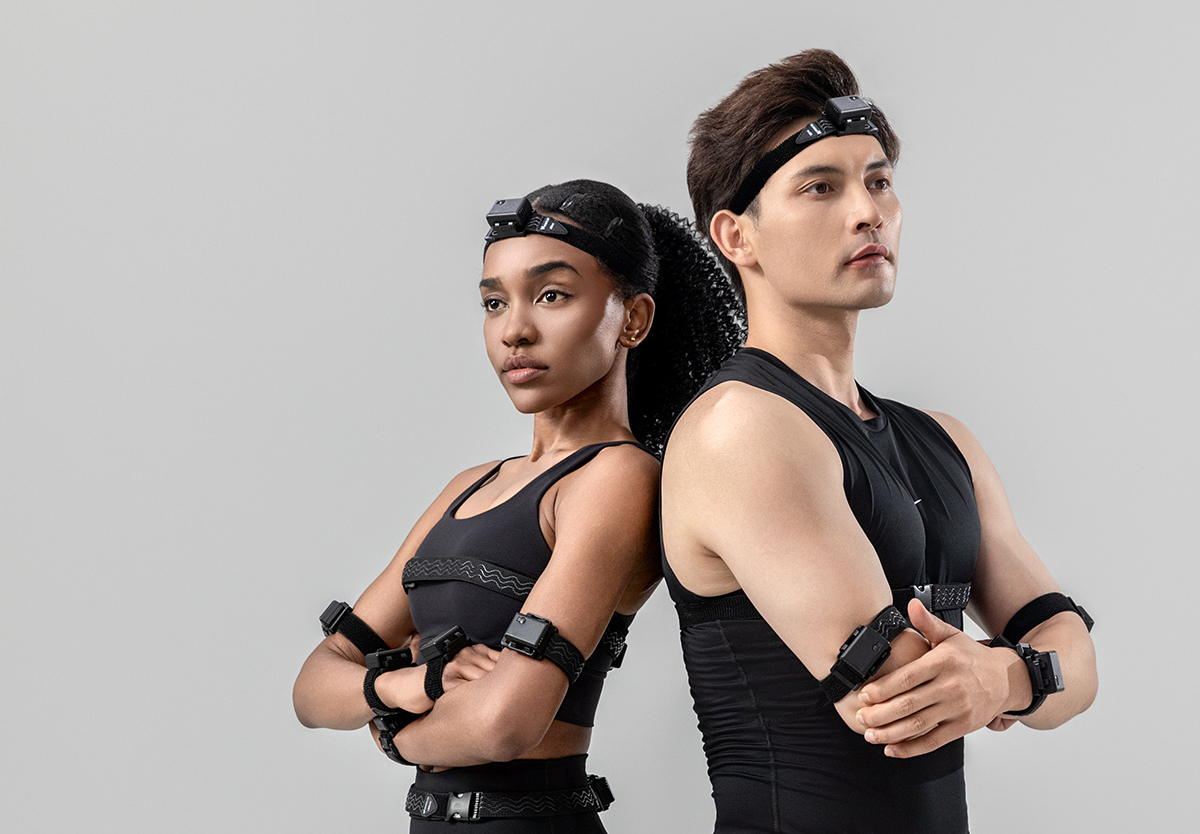
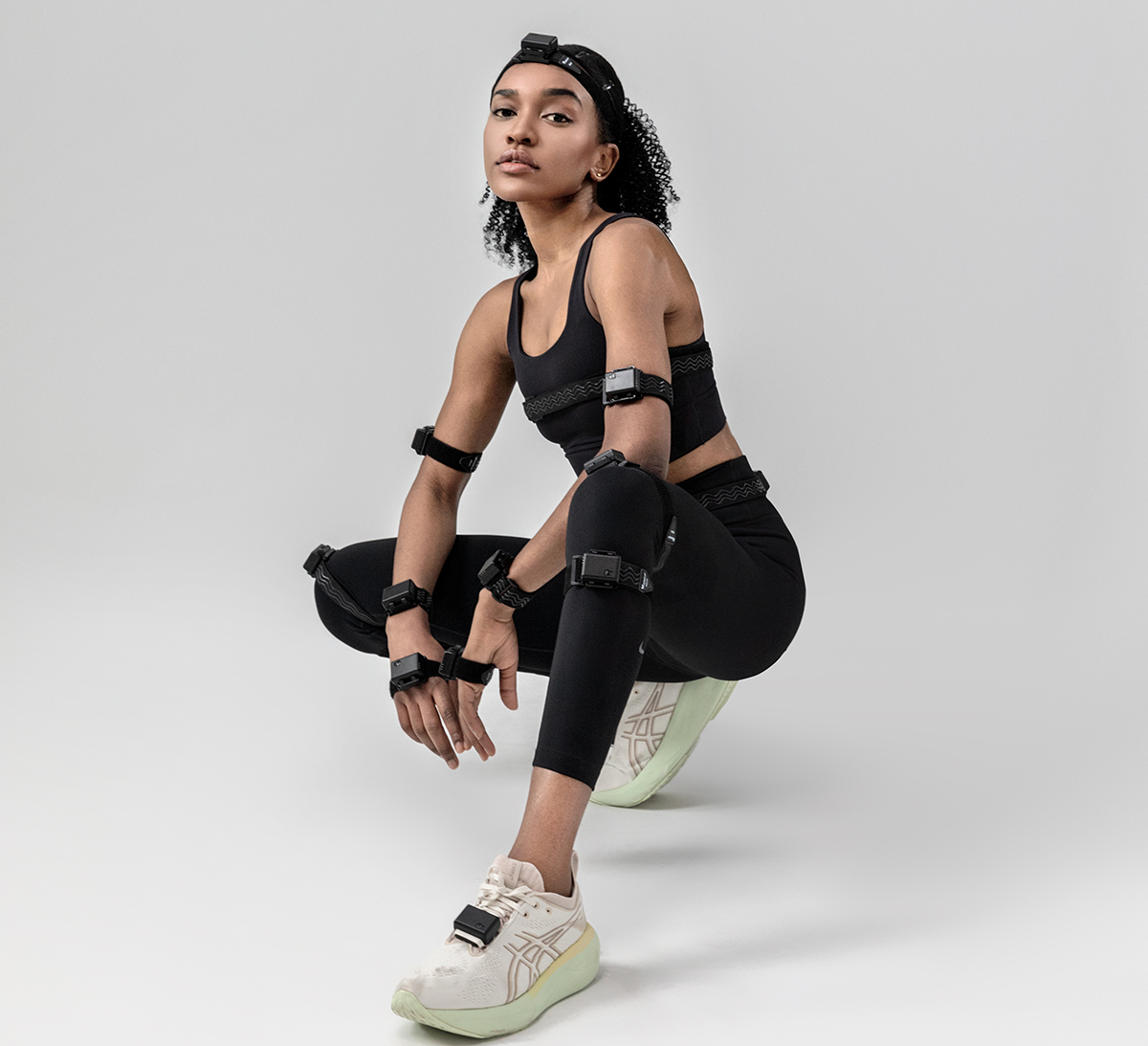
**Reborn Mocap Life** revolutionizes humanoid robot training by providing high-precision human motion data in a cost-effective and practical way. Using the **Rebocap motion system**, a wearable set of inertial measurement units (IMUs), Reborn captures detailed human joint data in real-time as users perform various actions in everyday life. This data serves as the foundation for training humanoid robots to understand, replicate, and interact with human movements and behaviors. Through imitation learning and advanced Vision-language models, Reborn Mocap Life empowers robots to not only replicate physical actions but also to understand their context, intent, and emotional nuance.
### Join Reborn Mocap Life
The process of collecting and utilizing human motion data for robotic training involves the following key steps:
**Step 1: Wear the Rebocap System**\
Users wear the **Rebocap motion system**, which consists of a series of small IMUs placed at key joints throughout the body. These sensors accurately capture real-time data of body movements and joint angles, allowing for precise tracking of full-body motion.
**Step 2: Perform Daily Activities**\
As users perform everyday tasks—whether they’re walking, gesturing, or engaging in more complex actions—the IMUs continuously record and transmit detailed human motion data. This data includes the movement of individual body parts such as arms, legs, torso, and head, creating a 3D representation of the user's actions.
**Step 3: Data Processing and Integration**\
The recorded motion data is processed and organized into a comprehensive dataset that includes keypoints (joint positions) and motion trajectories. This data can be further enhanced through synchronization with visual inputs, creating a multimodal dataset that includes both the visual representation of actions and the associated movement data.
**Step 4: Data Usage in Robotic Training**\
The processed motion data is fed into AI and machine learning systems, particularly **imitation learning** models, which train robots to replicate the recorded human actions. Robots learn to understand the motions, context, and dynamics involved in human tasks, improving their ability to perform them autonomously.
**Step 5: Vision-Language Integration**\
To further enhance training, the motion data can be paired with Vision-language models that interpret not just the physical actions, but also the intent and meaning behind them. For instance, robots can learn to associate certain gestures with specific actions or understand the context in which a task is performed (e.g., cooking, cleaning, or exercising). This enables more intelligent and context-aware robotic behaviors.
### How Reborn Mocap Data Helps RFM Training
The data captured by **Reborn Mocap Life** provides several crucial benefits for robotic training:
**1. Imitation Learning**\
By observing and imitating the recorded human actions, robots learn to perform tasks with a level of precision and fluency that would be challenging to achieve with traditional programming alone. The system allows robots to learn complex movements, from simple gestures to more intricate tasks, by mimicking the data captured in the real world.
**2. Context-Aware Interaction**\
The combination of motion and vision-language data enables robots to understand the context behind human actions. This makes robots more effective in dynamic, real-world environments, where understanding the purpose and intent behind actions is just as important as replicating physical movements.
**3. Human-Robot Collaboration**\
The high-quality data also enables better human-robot interaction, allowing robots to anticipate and respond to human movements and gestures in a natural and intuitive way. This is particularly valuable in settings like healthcare, assistance, and service robotics, where seamless collaboration between humans and robots is critical.
**4. Continuous Learning and Adaptation**\
Reborn Mocap Life allows for the collection of vast amounts of diverse, real-world data, meaning robots can continuously learn and improve their abilities. The system can be used to create ongoing datasets that reflect evolving human behaviors and environments, helping robots adapt to new tasks, situations, and cultural contexts.
**5. Cost-Effective and Scalable**\
Unlike traditional motion capture systems, which require expensive equipment and controlled environments, **Reborn Mocap Life** offers a more accessible and scalable solution. The wearable IMU system is both portable and affordable, making it easy for users to record and share data from everyday life, enriching the training of humanoid robots without the need for complex setups or expensive infrastructure.
## Reborn Hardware: Rebocap™ Motion Capture
> Professional-Grade Motion Capture at Revolutionary Price Points
### Reinventing Motion Capture
Rebocap™ revolutionizes the motion capture industry by delivering professional-grade tracking capabilities at a fraction of the traditional cost. Starting at just $200, our groundbreaking system democratizes access to high-quality motion capture technology, enabling creators, developers, and enthusiasts to participate in the spatial intelligence revolution.
***
*Join the spatial intelligence revolution with Rebocap™. Professional-grade motion capture has never been more accessible.*
# Reborn VR Gaming
Teaching Robots Dexterity—One VR Gesture at a Time.
**Reborn VR Gaming** introduces an innovative platform that integrates immersive VR gameplay with cutting-edge data collection for robotic training. Utilizing advanced VR devices such as the **Vision Pro**, Reborn VR Gaming captures precise hand movement and manipulation data as users interact in virtual environments. By allowing users to engage in dynamic, fun, and challenging VR tasks, this system collects invaluable datasets in a seamless and enjoyable manner. These datasets surpass traditional motion capture and video-based data in precision and richness, making them a cornerstone for advancing robotic manipulation and human-computer interaction technologies.
Reborn VR Gaming not only provides entertainment but also serves as a bridge between humans and machines, turning every virtual interaction into a step forward in robotics and AI development.
### Join Reborn VR Gaming for Future Robotics
The procedure for collecting data through Reborn VR Gaming consists of the following steps:
**Step 1: User Setup**
* Users wear the Vision Pro or a compatible VR device, ensuring proper calibration for accurate tracking of hand and object interactions.
* The system initializes by recognizing the user’s hand landmarks and virtual environment setup.
**Step 2: Task Selection**
* Users select from a library of VR games or tasks designed to elicit a variety of hand movements and object manipulations. Examples include puzzle-solving, object stacking, or virtual assembly tasks.
* Each task is designed to collect specific data, such as grasp types, fine motor control, and gesture dynamics.
**Step 3: Real-Time Data Capture**
* As users perform tasks, the VR system captures:
* **Hand Landmarks:** Recording the precise positions of hand joints and fingertips.
* **Object Manipulations:** Tracking how hands interact with virtual objects, including grip forces and object trajectories.
* **Gesture Dynamics:** Monitoring gestures in real-time, including transitions and speeds.
**Step 4: Automated Annotation**
* The system automatically annotates collected data, labeling it with information about the task, object type, interaction type, and hand movements.
* These annotations reduce the need for manual labeling, ensuring rapid dataset generation.
### Reborn VR Gaming Data for Embodied Intelligence
Reborn VR Gaming captures a comprehensive range of detailed data during gameplay:
1. **Hand Landmarks:**\
High-resolution data points outlining the exact position and movement of key points on the hand, including joints, fingertips, and palm dynamics.
2. **Manipulation Data:**\
Precise records of how hands interact with objects in the virtual environment, detailing grip strength, object positioning, and fine motor actions.
3. **Gesture Dynamics:**\
Tracking of complex hand gestures, including speed, trajectory, and transitions between gestures, is essential for understanding nuanced human interactions.
4. **Object Interaction Details:**\
Detailed logs of how users manipulate virtual objects, including rotations, translations, and forces applied during gameplay.
5. **Contextual Annotations:**\
Automatically annotated datasets enriched with labels that indicate the task, gesture type, and interaction purpose, derived from structured VR gaming tasks.
### How Reborn VR Data Help Fine-Grained Manipulation
The precise and annotated data collected through Reborn VR Gaming offers unparalleled opportunities for robotic training:
1. **Robotic Manipulation Training:**\
The fine-grained hand landmark and manipulation data provide robots with a blueprint for replicating complex human hand movements. This allows robots to learn advanced tasks, such as assembling delicate components or handling fragile objects, with exceptional accuracy.
2. **Enhanced Dexterity Through Imitation Learning:**\
By analyzing how humans perform intricate tasks in VR, robots can mimic these actions through imitation learning, improving their dexterity and precision in real-world applications.
3. **Gesture Recognition and Human-Robot Interaction:**\
The gesture dynamics data enables robots to recognize and respond to human gestures in collaborative environments, enhancing intuitive human-robot interaction.
4. **Designing Ergonomic Interfaces:**\
The manipulation data informs the design of ergonomic tools, robotic end-effectors, and virtual interfaces optimized for human comfort and efficiency.
5. **Task Contextualization:**\
Annotated data helps robots not only replicate tasks but also understand their context and purpose. This contextual knowledge is critical for dynamic environments where tasks may require adaptability.
6. **Accelerated Training Cycles:**\
The high precision and detailed annotations of VR-generated data reduce the time and effort required for manual labeling, speeding up the training cycles for robotic systems.
### Reborn Gaming: Playing, Earning and Contributing to Robotics
#### 🎮 The Reborn VR Gaming
Our flagship application delivers next-generation gaming experiences while quietly revolutionizing spatial intelligence collection.
**Key Features**
* **Advanced Motion Tracking**: Industry-leading precision using as few as 6 IMUs
* **Real-time Processing**: Lightning-fast 60 FPS with just 16ms latency
* **Cross-platform Support**: Seamless integration with popular XR devices
* **Reward System**: Earn while you play through our reborn network
* **Social Features**: Connect, compete, and collaborate with global players
#### 🎯 Game Ecosystem
Experience a diverse range of games designed to capture specific motion patterns while delivering unmatched entertainment value.
**Game Categories**
* **Action-Adventure**: Complex combat movements and environmental interactions
* **Sports & Fitness**: Athletic performance and precise body mechanics
* **Dance & Rhythm**: Fluid motion sequences and choreographed movements
* **Training & Simulation**: Professional-grade motion training scenarios
* **Social Games**: Multiplayer experiences with rich interaction data
{% embed url="" %}
# Reboverse Simulation Engine
Reboverse: A Unified Framework built on Roboverse
**Reboverse** is Reborn’s advanced simulation engine, designed to facilitate the training and evaluation of embodied AI models, built upon the famous Roboverse. By leveraging the capabilities of the RoboVerse framework, Reboverse offers a comprehensive environment that supports diverse robotic embodiments and tasks, ensuring seamless transitions between simulation and real-world applications.
**Key Features:**
* **MetaSim Integration**: At the core of Reboverse is MetaSim, a unified infrastructure that abstracts various simulation environments into a universal interface. This allows for consistent configuration and control across different simulators, enhancing interoperability and extensibility.
* **High-Fidelity Synthetic Dataset**: Reboverse provides a large-scale, high-quality synthetic dataset constructed through multiple approaches, including migration from public datasets, policy rollouts, and motion planning, all enhanced by data augmentation techniques.
* **Standardized Benchmarks**: To ensure consistent evaluation, Reboverse includes unified benchmarks for both imitation learning and reinforcement learning, enabling assessments across different levels of generalization.
* **Multimodal Sensor Simulation**: The platform supports the simulation of various sensor modalities, including RGB, depth, LiDAR, tactile, and proprioceptive sensors, facilitating comprehensive multimodal training.
* **Open-Source Collaboration**: Reboverse is open-sourced, encouraging contributions from the community to expand its capabilities and adapt to emerging research needs.
By integrating these features, Reboverse serves as a pivotal tool in Reborn's mission to develop scalable and generalizable robotic foundation models, bridging the gap between simulation and real-world deployment.
\[*1] Roboverse:* [*https://roboverseorg.github.io/*](https://roboverseorg.github.io/)
# Reborn Embodied Vlog
Robots learn embodied manipulation from human handwork.
### **Reborn Embodied Vlog**
"Reborn Embodied Vlog" (REV) is designed as a mobile app that enables users to record and upload first-person perspective videos of fine manipulation tasks from their daily lives. The process is simple:
* **Recording:** Users use their smartphones, GoPro, or other cameras to capture videos of themselves performing detailed tasks, such as preparing food, cleaning, assembling objects, or other hand-manipulation actions.
* **Uploading:** The app allows users to upload these videos directly to the platform, where the footage is anonymized and processed.
* **Video Analysis:** The system processes the video data to extract hand movement, gestures, object interactions, and fine manipulation patterns.
* **Global Contribution:** By contributing their data, users help build a massive, diverse dataset that is accessible to AI systems worldwide, improving the accuracy and efficiency of robot manipulation tasks.
### Transfer Reborn Embodied Vlog to Embodied Training Data
To process first-person perspective video data into hand landmarks for robotic dexterous hand training, a structured pipeline can be followed:
#### 1. **Video Preprocessing**
* **Frame Extraction:** Convert video into a sequence of frames to analyze each individually. Select a suitable frame rate (e.g., 30 FPS) to balance detail and computational cost.
* **Image Enhancement:** Improve video quality (e.g., brightness, contrast) to ensure clear visualization of hands and objects in various lighting conditions.
* **Segmentation:** Use a hand segmentation algorithm to isolate the hand region from the background, reducing noise and focusing the analysis.
#### 2. **Hand Landmark Detection**
* **Pose Estimation Models:** Utilize state-of-the-art hand pose estimation models, such as Mediapipe Hand Tracking or DeepHand, to detect keypoints on the hand.
* Detect key landmarks such as fingertips, knuckles, wrist, and palm center.
* Use 2D/3D coordinate extraction to map hand keypoints relative to the frame or environment.
* **3D Reconstruction (if needed):** Use stereo cameras or infer depth from monocular video using advanced models like DensePose or MANO (Model-based Articulated Hand Object).
# Open Model Ecosystem
### 🌍 Open Model Ecosystem: From Users to Developers
In addition to official Reborn models, we support an **open development paradigm** that encourages contributions from the broader ecosystem.
* **Developers and researchers** can access Reborn’s curated datasets and build **custom models** tailored to new applications.
* **Builders and entrepreneurs** can propose **vertical-specific ecosystem projects**—from warehouse cobots to eldercare companions—leveraging Reborn data and tools.
* **Contributors** who deploy their own models in real-world scenarios can loop feedback and new data back into the ecosystem, improving global model quality.
This community-driven loop of **“Build → Deploy → Collect → Improve”** ensures that Reborn evolves not as a closed platform, but as an **open, extensible intelligence layer** for the embodied AI economy.
### 🦾 Co-Development with Robotic Giants
Reborn adopts a **collaborative model development approach**, working closely with industry partners such as **Unitree Robotics** and **Booster Robotics**. This partnership structure allows for rapid iteration, real-world deployment, and continuous feedback. The community users can directly develop or deploy the model from Reborn to the robot by one click.
* **Reborn** contributes:
* Advanced **algorithms** and training architectures
* Large-scale **multimodal datasets** collected via our ecosystem
* Scalable **training pipelines** for embodied AI models
* **Hardware partners** provide:
* **Commercial-grade humanoid platforms** and mobile manipulators
* **Testbeds and deployment scenarios** across home, lab, and industrial environments
* Performance benchmarks and real-time usage data
This synergy ensures that models are optimized not just for simulation, but for the real-world constraints of modern robot hardware.
# Reborn Model Zoo
### What Models Does Reborn Provide?
Reborn offers a growing library of pretrained and adaptable embodied intelligence models. Here we list the main streams that can be adopted in most existing humanoid robots:
* **Versatile Vision-Language-Action (VLA) Models**\
Translate high-level language instructions and visual inputs into action sequences (e.g., “Pick up the red bottle and place it on the table”).
* **Full-body Humanoid Control Models**\
Trained using mocap and VR data to power **humanoid locomotion**, balance, posture control, and goal-directed motion.
* **Dexterous Manipulation Models**\
Learned from VR and first-person videos to handle **fine-grained in-hand tasks**, such as grasping, rotating, and tool use.
The Reborn model zoo contains more than these models, which supports one-click **deployment on real robots**, enabling practical tasks such as home assistance, object retrieval, or interactive behaviors in educational and service settings.
### The Reborn Model Zoo
#### 👁 OpenVLA
**Vision-Language-Action (VLA) Model**
OpenVLA enables robots to interpret natural language instructions and execute multi-step plans in visually rich environments. Trained on Reborn’s ego-centric video and simulation data, this model bridges perception and intent, allowing robots to respond to prompts like “place the red cup on the shelf” with contextual understanding and spatial awareness.
#### 🕴 Humanoid Whole-Body Control
**Locomotion + Balance + Posture**
Designed for full-scale humanoid platforms, this model translates task-level commands into low-level whole-body movement. It is trained using motion capture sequences and VR locomotion data, enabling smooth walking, turning, bending, and balancing behaviors for platforms like Unitree G1 and Figure 02.
#### ✋ Open-Vocabulary Pick and Place
**Grasp Anything, Anywhere**
This model allows robots to pick and place objects based on open-vocabulary inputs such as “pick up the toothbrush” or “move the snack box to the left table.” It integrates VLA reasoning with manipulation execution, supporting flexible object recognition, grasp planning, and placement in unstructured environments.
#### 🤚 Open-Vocabulary Articulated Manipulation
**Tools, Drawers, Doors, and More**
Beyond simple pick-and-place, this model specializes in interacting with articulated objects—e.g., opening cabinets, operating switches, or using utensils. It combines semantic intent parsing with force-aware control, enabling robots to perform complex object interactions safely and accurately.
#### 🧤 Dexterous Grasping
**In-Hand Manipulation at Human Level**
Trained with high-resolution hand motion from VR devices, this model controls robotic hands with fine-grained precision. It enables capabilities like rotating an object inside the palm, regripping tools, or handling soft or irregular objects, unlocking human-like dexterity for next-gen robot hands.
# Reborn App Store
The First Physical AI App Store in the World
### 🌐 The Physical AI App Store
#### One-Click Deploy, Extend, and Share
Have you ever bought a humanoid robot—like the **Unitree G1** or **Booster K1**—and realized… it can walk, maybe wave, but that's about it? Unless you're an expert in reinforcement learning or motion control, building new behaviors for these robots is nearly impossible. They can be remote-controlled, but they **lack real intelligence**, and definitely can't do "cool things" like backflips, yoga, or pick up a tool and use it on command.
That’s where the **Reborn Physical AI App Store** comes in.
We’ve partnered deeply with leading humanoid robot manufacturers to **open their APIs** and make them programmable via AI models—no hardcore robotics background required. Through Reborn Nest, anyone can **browse a library of pre-trained robotic models**, select one, and **deploy it to their robot with a single click**.
Want your G1 to respond to voice commands? Try our **OpenVLA model**.\
Want it to walk across uneven terrain or mimic your yoga poses? Deploy our **Whole-Body Controller**.\
Need it to pick up a random object and place it elsewhere? Use our **Pick-and-Place Planner**.
#### 🛠️ For Developers: Build the Future of Robot Intelligence
And it doesn’t stop there. Developers can **build and submit their own models** to the store. Whether you're designing a novel hand manipulation policy, an object retrieval pipeline, or a dancing pose controller—your model can be published, used, and monetized inside the app store.
We provide:
* Access to **training datasets**, including mocap and egocentric video
* A cloud-ready **training stack** and Roboverse simulator
* Evaluation pipelines and deployment SDKs
* Exposure to a fast-growing market of robot users
Imagine it like the **App Store for iPhones**, but for physical robots. Just as apps unlocked the potential of smartphones, **AI models will unlock the real intelligence of robots**—and Reborn is building the ecosystem to make that happen.
# Physical Agents
From Copilots to AGI Robots: The Reborn Evolution
Reborn is not just building models for robots—it is building **intelligent physical agents** that evolve in capability over time. These agents progress through three distinct phases: **copilot/teleoperation**, **specialized autonomy**, and **generalized intelligence**. Together, they form a practical roadmap toward scalable embodied AI, backed by real-world deployment and continuous data-model feedback loops.
### Phase 1: Copilot / Teleoperation
The journey begins with human-in-the-loop control. In this stage, robots are operated remotely by human workers using **high-fidelity teleoperation systems** developed by Reborn. These systems support:
* **Low-latency, high-precision motion streaming**,
* **Mixed reality interfaces**, enabling intuitive human control over robotic limbs,
* And **force-aware telepresence**, allowing operators to respond to physical feedback in real time.
This phase serves three critical functions:
1. **Commercial Utility**: It enables underemployed populations in developing regions to remotely operate robots in developed cities—for example, a worker in the Philippines controlling a robot that serves customers in a Los Angeles restaurant.
2. **Data Generation**: Every teleoperated action generates labeled human-robot interaction data across various environments—fuel for downstream model training.
3. **Task Familiarization**: It allows Reborn to identify recurring task patterns, motion primitives, and embodiment-specific constraints that will later be distilled into autonomous models.
### Phase 2: Specialized Model
With sufficient interaction data and operational insight, Reborn transitions from teleoperated agents to **specialized, partially or fully autonomous robots** trained for specific tasks. These robots operate in vertical domains such as:
* **Hospitality** (e.g., robotic waiters with gesture-based serving policies)
* **Manufacturing** (e.g., robotic arms trained to fasten screws on car chassis)
* **Logistics and warehouse automation**
* **Healthcare and caregiving**
These models are designed to be easily deployable through the **Reborn Physical AI App Store**, allowing users—whether they are developers, robotics startups, or hardware manufacturers—to install advanced capabilities onto supported robots with just a few clicks. This streamlines the traditionally complex process of integrating AI into physical machines, reducing both technical overhead and deployment time. Once deployed, the models are continually improved through Reborn’s closed-loop data infrastructure: each interaction generates new real-world data, which is fed back into the system to refine and retrain models, enabling them to adapt to new edge cases and evolving usage patterns. Furthermore, the models are built with modularity and abstraction in mind, allowing them to be transferred across different robotic platforms with minimal modification. Whether the robot is a humanoid waiter, a warehouse assistant, or a factory arm, Reborn’s models can be retargeted and reused across embodiments by separating task logic from hardware-specific actuation—maximizing generalization and lowering the barrier to robot intelligence at scale.
### 🌐 Phase 3: Generalized Model
The final vision of Reborn is to create a general-purpose embodied agent—an AGI-level robot capable of adapting across tasks, environments, and robot embodiments with minimal retraining. These generalized models are designed to reason over multi-modal inputs such as vision, language, and proprioception, execute open-vocabulary tasks with physical actions, and transfer learned behaviors across robots with different body structures. They continuously improve through deployment and feedback, enabling lifelong learning in the real world. This new class of models combines foundation-level Vision-Language-Action reasoning, dynamic world modeling across diverse scenarios, and cross-embodiment policy adaptation—all made possible by Reborn’s expansive real-world data corpus and simulation-aligned training workflows.
Over time, these generalized agents will blur the line between individual robot skillsets, **merging all vertical applications into a cohesive, autonomous, physical AI system**.
# Ecosystem SDKs & Developer APIs
Coming soon...
# Network Architecture
## Network Architecture
### Introduction to Model Architecture
Our model represents a breakthrough in spatial intelligence processing, achieving unprecedented efficiency through its carefully crafted 5M-parameter neural network architecture. The network's design philosophy centers on maximizing information extraction from sparse motion inputs while maintaining real-time performance and physical consistency.
### Core Architecture Components
#### Transformer Encoder Design
At the heart of the model lies a sophisticated Transformer encoder optimized for processing 6-DOF tracking sequences. The encoder operates on input sequences consisting of position vectors (x, y, z), orientation quaternions (w, x, y, z), and their respective velocities. Each input frame is embedded into a 256-dimensional feature space through a linear projection layer, followed by learnable positional encodings that capture temporal relationships.
The multi-head attention mechanism employs 8 attention heads, each with a dimension of 32, allowing the model to capture different aspects of motion patterns simultaneously. The attention computation is optimized through a custom implementation that reduces memory requirements from O(n²) to O(n log n) through sparse attention patterns, enabling processing of sequences up to 1000 frames while maintaining real-time performance.
Our novel attention mechanism implements a hierarchical structure where local motion patterns are processed at different temporal scales. The first level captures frame-to-frame relationships within a 100ms window, while subsequent levels aggregate information over increasingly larger temporal contexts up to 2 seconds. This multi-scale approach enables robust handling of both fast, detailed movements and longer-term motion patterns.
#### Stabilizer Module Implementation
The stabilizer module addresses one of the fundamental challenges in motion processing: decoupling global orientation from local pose variations. Our implementation utilizes a dual-stream architecture where global orientation is processed through a dedicated quaternion prediction network while local poses are handled by a separate branch.
The global orientation stream employs a 6D rotation representation, which has proven more stable for learning compared to Euler angles or direct quaternion regression. This stream processes the input through three fully connected layers (256→128→64), followed by a special rotation regression layer that ensures valid rotation matrices through a Gram-Schmidt-like orthogonalization procedure.
Local pose estimation is handled through a hierarchical structure that mirrors human body kinematics. Each joint is processed by a dedicated sub-network that takes into account both local information and global context. The network learns to predict joint rotations in a parent-relative coordinate system, which has shown superior generalization compared to absolute rotation prediction.
#### Forward Kinematics Neural Processing
Our forward kinematics module introduces a differentiable kinematic chain that enables end-to-end training while enforcing physical constraints. The module implements a novel attention-based joint position refinement mechanism that achieves state-of-the-art accuracy on the AMASS dataset while maintaining real-time performance at 662 FPS.
The kinematic chain is modeled using a 23-joint human skeleton representation, with each joint described by a 3×3 rotation matrix and a translation vector. The network learns to predict joint parameters through a combination of direct regression and differential forward kinematics. This hybrid approach allows the model to leverage both data-driven learning and physical constraints, resulting in more natural and physically plausible motion reconstruction.
#### Inverse Kinematics Optimization
The inverse kinematics module employs a novel hybrid approach combining traditional optimization with learned priors. The core algorithm utilizes a neural inverse kinematics solver that achieves real-time performance while handling multiple end-effector constraints simultaneously.
Our implementation uses a differentiable optimization layer that combines gradient-based optimization with learned motion priors. The optimization objective includes terms for end-effector accuracy, joint limit compliance, and motion naturalness, weighted by learned importance factors. The solver achieves convergence in an average of 5 iterations, enabling real-time performance at 60 FPS.
### Real-time Processing Pipeline
The complete processing pipeline achieves remarkable efficiency through careful optimization of each component. Raw sensor data is first processed through a lightweight preprocessing network that handles sensor fusion and noise reduction. This network employs 1D convolutions with kernel size 3 and channel dimension 64, followed by batch normalization and ReLU activation.
The preprocessed data then flows through the main architecture, where temporal features are extracted and processed. The network achieves a total latency of 16ms on consumer hardware, breaking down as follows:
* Preprocessing: 2ms
* Transformer encoding: 5ms
* Stabilizer processing: 3ms
* Kinematics computation: 4ms
* Final pose refinement: 2ms
### Zero-Shot Transfer Implementation
Our zero-shot transfer capability is achieved through a novel domain adaptation layer that learns to map between simulation and reality. The adaptation network consists of a lightweight residual architecture with 3 blocks, each containing two fully connected layers with skip connections. This network learns to correct for systematic differences between simulated and real motion data while preserving the underlying motion characteristics.
The domain adaptation is trained using a combination of supervised and unsupervised losses:
* Reconstruction loss in both domains
* Cycle consistency across domain transfers
* Physical plausibility constraints
* Temporal smoothness regularization
### Physical Consistency Enforcement
Physical consistency is maintained through a series of learned constraints and explicit physics-based regularization. The network incorporates a differentiable physics engine that computes joint torques and ground reaction forces in real-time. These physical quantities are used both as supervision signals during training and as constraints during inference.
The physics computation includes:
* Full-body dynamics modeling
* Contact force estimation
* Center of mass trajectory optimization
* Zero-moment point constraints
### Training Methodology
The network is trained using a multi-stage curriculum that gradually increases the complexity of motion sequences. Initial training focuses on single-person, basic locomotion patterns before progressing to more complex interactions and multi-person scenarios. The training employs a combination of losses:
Stage 1: Basic Motion Reconstruction
* MSE loss on joint positions
* Quaternion loss on rotations
* Velocity consistency loss
* Physical constraint violations
Stage 2: Advanced Motion Understanding
* Temporal coherence loss
* Style consistency loss
* Physical plausibility loss
* End-effector accuracy loss
Stage 3: Zero-Shot Transfer
* Domain adaptation loss
* Cycle consistency loss
* Real-world alignment loss
* Task-specific losses
The complete training pipeline runs on a distributed system using 16 NVIDIA A100 GPUs, with model parallelism for the transformer components and data parallelism for batch processing. Training convergence is typically achieved after 2 million iterations, approximately 72 hours of training time.
### Performance Metrics
The architecture achieves state-of-the-art performance across multiple benchmarks:
* AMASS Dataset: 9.8mm mean joint position error
* Human3.6M: 7.2mm mean per joint position error
* Zero-shot transfer success rate: 92.4%
* Real-time processing: 60 FPS @ 16ms latency
* Model size: 1.5M parameters
***
*This documentation represents our current architecture as of April 2024. Our research team continuously works on improvements and optimizations.*
# XR Headset Input
## XR Headset Input Processing
### Introduction
The Reborn Network leverages XR headsets as a primary data collection interface, transforming consumer-grade devices into professional motion capture tools. Our system achieves unprecedented accuracy in full-body motion reconstruction from sparse XR inputs through advanced neural processing and physical modeling.
### Input Characteristics
#### Spatial Data Streams
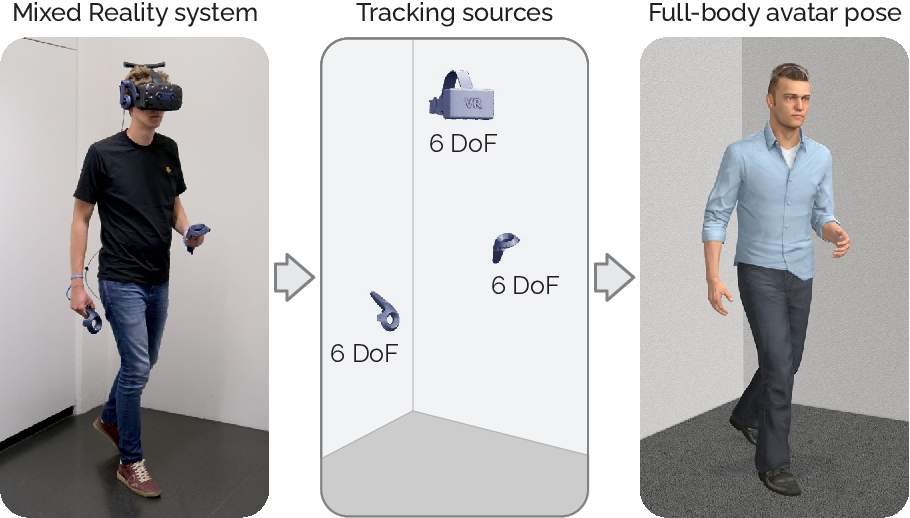
Modern XR headsets provide multiple spatial data streams that form the foundation of our motion capture system. The primary input consists of 6-DOF (degrees of freedom) tracking data from three key sources: the head-mounted display (HMD) and two hand controllers. Each source generates continuous streams of position vectors (x, y, z) and orientation quaternions (w, x, y, z) at a native sampling rate of 90Hz to 120Hz, depending on the device specification.
The HMD tracking provides precise head position and orientation through integrated IMU sensors and inside-out tracking systems. Our system processes this data through a custom Kalman filter that combines accelerometer and gyroscope readings with optical tracking data, achieving sub-millimeter positioning accuracy and orientation precision within 0.1 degrees.
Hand controllers deliver highly accurate end-effector tracking through a combination of optical and inertial sensing. Each controller provides position accuracy within 2mm in optimal conditions and orientation precision of 0.5 degrees. Additional finger tracking data, where available, supplies up to 26 degrees of freedom per hand through capacitive touch and trigger inputs.
### Neural Processing Pipeline
#### Sparse Input Handling
Our transformer-based architecture is specifically designed to handle sparse XR input data. The network employs a novel attention mechanism that processes the three primary tracking points (head and hands) as anchor positions for full-body pose estimation. The architecture consists of multiple specialized streams:
The first stream processes temporal sequences of head tracking data through a 6-layer transformer encoder with 8 attention heads. Each layer operates with a hidden dimension of 256, processing windows of 90 frames (approximately 1 second of motion) to capture smooth head trajectories and natural motion patterns.
A parallel stream handles hand tracking data through a similar transformer architecture but with additional layers dedicated to finger pose estimation when available. This stream incorporates learned priors about natural hand positions and physical constraints to maintain realistic arm configurations.
#### Biomechanical Constraints
The system employs a sophisticated biomechanical model that enforces anatomical constraints during pose estimation. Our implementation includes:
A detailed skeletal model with 23 joints, accurately representing human body proportions and joint angle limits. Each joint is modeled with appropriate degrees of freedom, ranging from 1-DOF for finger joints to 6-DOF for the root joint at the pelvis.
Dynamic joint limits that adapt based on the positions of neighboring joints, better representing the natural range of motion of the human body. These constraints are implemented as soft constraints in the optimization framework, allowing for natural movement while preventing anatomically impossible poses.
### Full-Body Pose Estimation
#### Neural Reconstruction
The core of our pose estimation system utilizes a novel neural architecture that maps sparse XR inputs to full-body poses. Our network achieves this through several key innovations:
A hierarchical pose predictor that processes motion in a top-down manner, starting from the head and shoulder girdle, progressing through the spine, and finally estimating limb positions. This approach leverages the natural correlation between head movement and full-body motion patterns.
An attention-based mechanism that learns to associate hand positions with natural arm configurations, enabling accurate upper body pose estimation even with minimal input data. The system maintains a library of learned pose priors that help inform natural arm trajectories based on hand positions.
#### Physical Consistency
Our system enforces physical consistency through a sophisticated physics simulation layer:
A real-time physics engine computes center of mass trajectories and ensures that predicted poses maintain proper balance. The system includes ground contact modeling that prevents foot sliding and ensures realistic support polygons during standing and walking motions.
Joint torque optimization ensures that predicted motions require realistic effort levels, preventing physically implausible movements even when input data is sparse or noisy.
### Temporal Coherence
#### Motion Smoothing
The system employs advanced temporal filtering techniques to ensure smooth and natural motion:
A learned motion model captures natural human movement patterns and applies them as soft constraints during pose estimation. This model is trained on our extensive motion capture database and helps maintain realistic motion even during temporary tracking losses or occlusions.
Adaptive filtering algorithms automatically adjust smoothing parameters based on motion characteristics, providing stronger filtering during slow movements while preserving quick, dynamic actions when detected.
### Cross-Platform Compatibility
#### Device Integration
Our system supports a wide range of XR devices through a unified input processing pipeline:
A device-agnostic input layer handles differences in tracking systems, sampling rates, and coordinate systems across different XR platforms. This includes support for leading devices such as Meta Quest, Apple Vision Pro, and Pico, with automatic calibration and coordinate system alignment.
Custom calibration procedures for each supported device ensure optimal tracking accuracy and consistent performance across platforms. The calibration process accounts for device-specific characteristics such as tracking technology, sensor placement, and controller geometry.
### Performance Optimization
#### Real-time Processing
The system achieves remarkable performance metrics through careful optimization:
End-to-end processing latency of 16ms enables real-time pose estimation at 60 FPS, with the processing budget divided across input handling (2ms), pose estimation (8ms), physical consistency checking (4ms), and output generation (2ms).
Memory-efficient implementations allow the system to run on consumer-grade hardware while maintaining professional-grade accuracy. The complete pipeline requires only 4GB of GPU memory during operation.
### Integration Capabilities
#### Data Pipeline
Our system provides robust integration options for developers:
A comprehensive API enables real-time access to both raw XR input data and processed full-body pose estimates. The API supports multiple output formats including BVH, FBX, and our custom efficient binary format.
Streaming capabilities allow for real-time motion capture and visualization, with support for both local processing and cloud-based computation for more demanding applications.
### Validation Results
Extensive validation studies demonstrate the system's capabilities:
Average joint position error of 2.2cm when compared to professional motion capture systems, with particularly high accuracy in upper body pose estimation where direct XR tracking data is available.
Temporal stability metrics showing less than 1mm of jitter in static poses and smooth motion reconstruction during dynamic movements.
Latency performance consistently below 20ms across supported devices, with 99th percentile latency under 25ms even in challenging scenarios.
***
*This documentation reflects current capabilities as of April 2024. Ongoing research continues to improve accuracy and expand device support.*
# Mocap Input
## Inertial Motion Capture System
### Introduction
Reborn Network's inertial motion capture system represents a paradigm shift in motion tracking technology, achieving professional-grade accuracy with as few as six IMU sensors while maintaining accessibility at a $150 price point. Our system combines advanced sensor fusion algorithms with deep learning to deliver unprecedented performance in real-time motion reconstruction.
### Sensor Technology
#### IMU Specifications
Each Rebocap™ sensor integrates high-precision microelectromechanical systems (MEMS) featuring a triple-axis accelerometer, gyroscope, and magnetometer. The sensors operate at 1000Hz native sampling rate with the following specifications:
Accelerometer: ±16g measurement range with 0.061 mg/LSB resolution Gyroscope: ±2000°/s measurement range with 0.07°/s/LSB resolution Magnetometer: ±4900μT measurement range with 0.6μT resolution
The sensor fusion system maintains bias stability of 0.5°/hr for gyroscopes and 50μg for accelerometers, enabling accurate tracking over extended sessions without drift accumulation. Temperature compensation is performed through an integrated temperature sensor with 0.1°C resolution, ensuring consistent performance across operating conditions.
### Sensor Fusion Architecture
#### Raw Data Processing
Our sensor fusion pipeline begins with sophisticated preprocessing of raw IMU data. Each sensor stream undergoes real-time calibration and temperature compensation through a neural calibration network trained on extensive calibration datasets. This network compensates for individual sensor characteristics and environmental factors, achieving an order of magnitude improvement over traditional calibration methods.
The calibrated data feeds into our custom Extended Kalman Filter (EKF) implementation, which combines inertial measurements with magnetometer readings and biomechanical constraints. The EKF operates with a 15-state vector per sensor, including:
Position (3D) Velocity (3D) Orientation quaternion (4D) Accelerometer bias (3D) Gyroscope bias (2D)
#### Advanced Fusion Techniques
Our fusion algorithm employs a novel hierarchical structure that processes sensor data at multiple time scales. Fast updates at 1000Hz handle rapid motion tracking, while slower updates at 100Hz incorporate global position corrections and biomechanical constraints. This multi-rate approach enables efficient processing while maintaining high accuracy during fast movements.
The system implements a sophisticated magnetic disturbance rejection algorithm that dynamically adjusts magnetometer weighting based on detected anomalies. This ensures robust performance even in environments with significant magnetic interference, a common challenge for traditional IMU systems.
### Neural Motion Processing
#### Sparse Motion Reconstruction
The core innovation of our system lies in its ability to reconstruct full-body motion from sparse sensor inputs. Our neural network architecture, based on the HOVER framework, processes temporal sequences of IMU data through multiple specialized streams:
A primary motion encoder processes synchronized data from all sensors through a transformer architecture with 8 attention heads and 256-dimensional feature space. This encoder captures temporal correlations across sensor locations while maintaining real-time performance.
A biomechanical decoder reconstructs full-body motion through a learned model of human kinematics. This decoder incorporates anatomical constraints and movement patterns learned from our extensive motion database, enabling accurate reconstruction even with minimal sensor input.
#### Physical Consistency Engine
Our physical consistency engine ensures realistic motion reconstruction through multiple mechanisms:
Joint angle constraints derived from biomechanical studies are enforced through differentiable constraint layers, ensuring natural movement while preventing anatomically impossible poses.
Ground contact estimation using learned patterns from acceleration signatures enables accurate foot placement and prevents foot sliding artifacts common in IMU-based systems.
A real-time physics simulation validates reconstructed motions against physical laws, ensuring conservation of momentum and realistic center of mass trajectories.
### Minimal Sensor Configuration
#### Optimal Placement Strategy
Our system achieves state-of-the-art accuracy with as few as six sensors through careful optimization of sensor placement and sophisticated neural processing:
Primary sensors are positioned at key anatomical landmarks: Lower back (pelvis tracking) Upper back (spine orientation) Head (view direction) Wrists (hand tracking) Ankles (foot placement)
The neural network learns to infer intermediate joint positions through a combination of biomechanical constraints and learned motion patterns. This enables accurate reconstruction of full-body motion even with this minimal sensor configuration.
#### Adaptive Processing
The system automatically adapts to different sensor configurations through a dynamic neural architecture that adjusts its processing based on available inputs. This enables seamless operation with varying numbers of sensors, from minimal 6-sensor setups to full professional configurations with 17+ sensors.
### Performance Optimization
#### Real-time Processing
Our system achieves remarkable performance metrics through careful optimization:
End-to-end latency of 16ms enables real-time operation at 60 FPS Sensor fusion updates at 1000Hz for high-frequency motion tracking Neural processing at 100Hz for full-body reconstruction Automatic sensor synchronization with sub-millisecond accuracy
#### Resource Efficiency
The complete processing pipeline runs efficiently on consumer hardware: GPU memory requirement under 2GB CPU usage below 15% on modern processors Power consumption optimized for extended operation Wireless data transmission with <2ms latency
### Validation and Accuracy
#### Benchmark Results
Extensive validation against optical motion capture systems demonstrates exceptional accuracy:
Joint position error: 1.8cm mean across all joints Orientation accuracy: 1.2° RMS error Temporal stability: <1mm jitter in static poses Dynamic accuracy: 97% correlation with optical reference
#### Clinical Validation
Our system has undergone rigorous clinical validation for medical applications:
Gait analysis accuracy within 1.5° for key joint angles Temporal parameters (stride time, stance phase) within 0.02s Inter-session reliability ICC > 0.95 Intra-session reliability ICC > 0.98
### Integration Capabilities
#### Data Streaming
The system provides multiple streaming options for real-time applications:
Raw sensor data at 1000Hz Processed joint positions at 100Hz Full-body pose estimates at 60Hz Physics simulation results including ground reaction forces
#### Development Tools
Comprehensive SDK support enables deep integration:
C++ API for low-level access Python bindings for research applications Unity/Unreal Engine plugins WebSocket interface for web applications
### Future Developments
Our ongoing research focuses on several key areas:
Reducing minimum sensor requirements while maintaining accuracy Improving robustness to magnetic disturbances Expanding support for complex multi-person interactions Enhancing physical simulation accuracy
***
*This documentation reflects current capabilities as of April 2024. Continuous improvements in sensor technology and neural processing are expanding system capabilities.*
# Training & Simulation
## Model Training and Simulation Environment
### Introduction
Reborn Network's simulation-based training pipeline represents a breakthrough in addressing the critical data scarcity challenge in robotics. Our system leverages advanced physics simulation, sophisticated domain randomization, and novel data augmentation techniques to achieve zero-shot transfer from simulation to reality.
### Simulation Architecture
#### Physics Engine Core
The Reborn Simulation Environment (RSE) is built on a custom physics engine specifically optimized for human motion simulation. Our engine implements a variational integrator that conserves energy and momentum while maintaining computational efficiency. The core simulation operates at 1000Hz with the following key components:
The rigid body dynamics solver employs a parallel island solver that can handle complex contact scenarios with up to 100 simultaneous contact points per body. Our implementation achieves unprecedented stability through an adaptive timestep controller that automatically adjusts integration parameters based on motion complexity.
Contact dynamics are modeled using a hybrid approach combining soft constraints for deformable surfaces and hard constraints for rigid contacts. This enables realistic simulation of various interaction scenarios, from soft tissue deformation during locomotion to precise object manipulation.
#### Biomechanical Modeling
Our simulation incorporates a sophisticated biomechanical model comprising 63 degrees of freedom across 23 joints. Each joint is modeled with accurate anatomical constraints:
The spine model includes non-linear stiffness characteristics and coupled joint motions derived from medical imaging studies. This enables realistic torso movements and natural posture adjustments during complex motions.
Musculoskeletal dynamics are approximated through a combined inverse dynamics and neural prediction approach. The system computes physiologically plausible joint torques while maintaining computational efficiency required for large-scale training.
### Data Augmentation Pipeline
#### Domain Randomization
Our advanced domain randomization system operates across multiple dimensions to ensure robust transfer learning:
Physical Parameters: Mass distribution variations (±20% per segment) Joint stiffness randomization (±30% from nominal values) Contact friction coefficients (0.2-0.8 range) Ground material properties (elasticity, damping)
Environmental Conditions: Gravity variations (9.6-10.0 m/s²) Temperature effects on sensor characteristics Magnetic field disturbances for IMU simulation Lighting conditions for visual tracking simulation
Motion Variations: Speed scaling (0.5x to 2.0x) Style transfer through our proprietary motion mixer Partial motion blending for transition generation Noise injection at multiple processing stages
#### Synthetic Data Generation
Our data synthesis pipeline generates diverse training scenarios through sophisticated procedural generation:
The motion composition system combines atomic movements from our motion database using a learned transition model. This enables generation of complex sequences while maintaining natural movement characteristics.
Environmental interaction synthesis creates realistic object manipulation scenarios through physics-based simulation and learned contact models. The system generates millions of unique interaction sequences while maintaining physical plausibility.
### Training Infrastructure
#### Distributed Computing Architecture
Our training infrastructure leverages a distributed computing cluster optimized for parallel simulation:
The system employs 1000 simulation nodes, each running 100 parallel environments, achieving effective throughput of 100,000 concurrent simulations. Dynamic load balancing ensures optimal resource utilization across the cluster.
A hierarchical parameter server architecture enables efficient distribution of model updates while maintaining synchronization across training nodes. This architecture achieves 95% scaling efficiency up to 1000 nodes.
#### Neural Training Pipeline
Our training methodology employs several innovative techniques:
Curriculum Learning: Stage 1: Basic motion reconstruction (10M steps) Stage 2: Physical interaction handling (15M steps) Stage 3: Style transfer and adaptation (8M steps) Stage 4: Zero-shot transfer optimization (12M steps)
Loss Function Design: Kinematic reconstruction loss (joint positions, velocities) Physical consistency loss (torques, ground reaction forces) Style preservation loss (motion characteristics) Transfer alignment loss (sim-to-real adaptation)
### Zero-Shot Transfer
#### Domain Adaptation
Our zero-shot transfer system achieves remarkable sim-to-real performance through several key innovations:
The domain invariant feature extractor learns representations that are consistent across simulation and reality. This network employs adversarial training to ensure feature distributions match between domains.
Adaptive normalization layers automatically adjust to differences in input statistics between simulation and real data, enabling robust transfer without explicit recalibration.
#### Reality Gap Bridging
The system implements sophisticated reality gap bridging techniques:
Sensor Simulation: High-fidelity IMU noise modeling Realistic sensor drift patterns Hardware-specific calibration errors Communication latency simulation
Physical Discrepancy Handling: Adaptive physics parameter estimation Online system identification Real-time parameter adjustment Error compensation networks
### Optimization Techniques
#### Training Acceleration
Our system employs several techniques to accelerate training:
Mixed Precision Training: FP16 computation for forward passes FP32 precision for critical computations Dynamic loss scaling Gradient checkpointing
Memory Optimization: Sparse attention mechanisms Gradient accumulation Efficient replay buffer design Dynamic batch sizing
#### Performance Metrics
The training system achieves remarkable efficiency metrics:
Training Throughput: 1M frames per second total throughput 100K environment steps per second 16 hours to convergence on full curriculum 95% GPU utilization
Memory Efficiency: 8GB GPU memory per training instance Distributed replay buffer (100TB total) Efficient gradient communication (10Gb/s) Dynamic memory management
### Validation Framework
#### Simulation Accuracy
Our validation system ensures high-fidelity simulation:
Physical Accuracy: Energy conservation error < 0.1% Momentum conservation error < 0.05% Contact solver accuracy within 1mm Joint constraint satisfaction > 99.9%
Motion Quality: Kinematic error < 2cm RMS Angular error < 1.5 degrees RMS Temporal stability within 0.5mm Style preservation score > 0.95
#### Transfer Performance
Zero-shot transfer capabilities are validated through comprehensive metrics:
Sim-to-Real Gap: Position error increase < 20% Orientation error increase < 15% Temporal stability preservation > 90% Task success rate > 85%
### Future Developments
Current research directions include:
Advanced Simulation: Deformable body dynamics Fluid interaction modeling Multi-agent interaction simulation Complex material properties
Transfer Learning: Few-shot adaptation techniques Online domain adaptation Multi-domain transfer Continuous learning systems
***
*This documentation reflects current capabilities as of April 2024. Ongoing research continues to enhance simulation fidelity and transfer performance.*